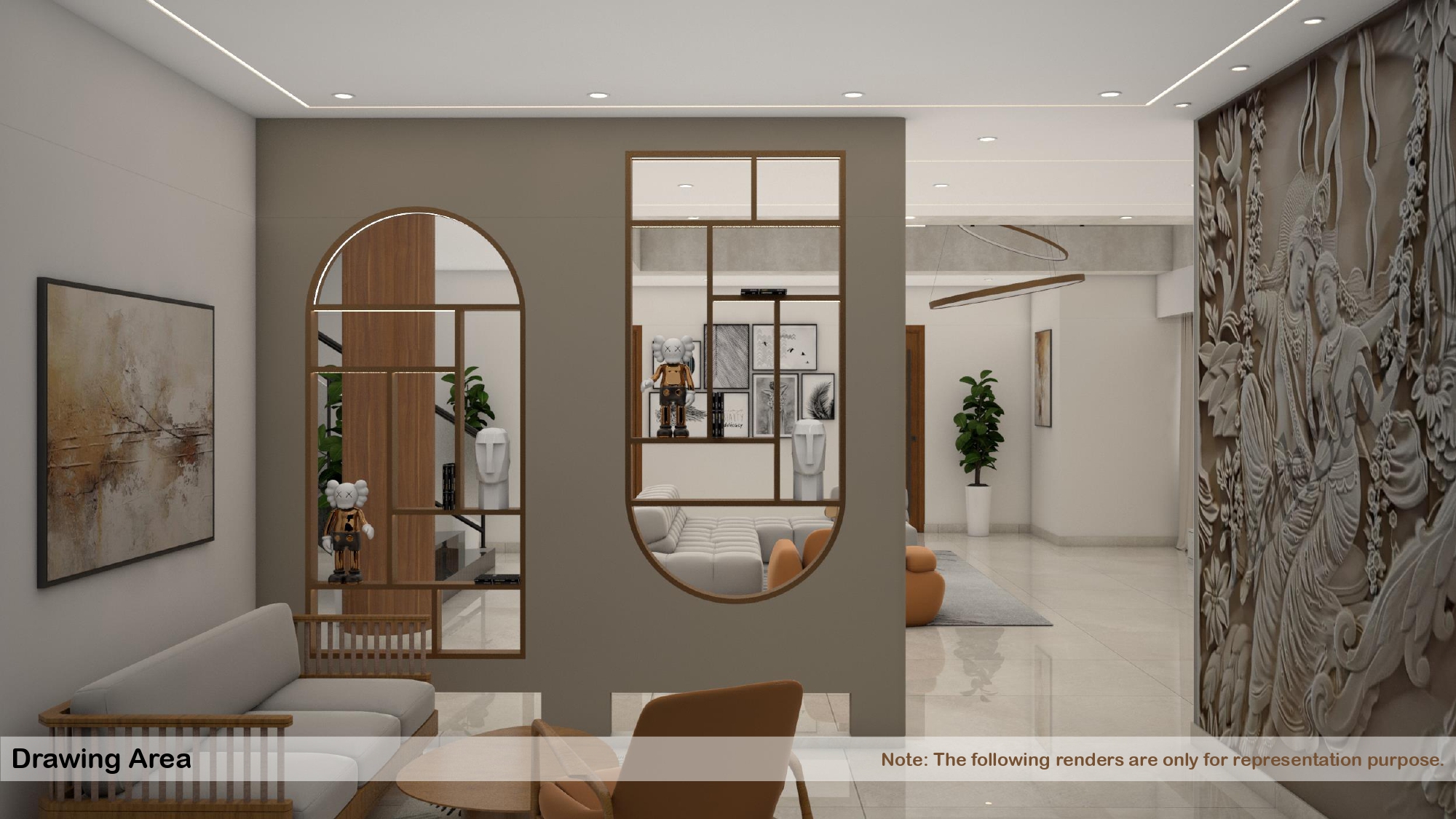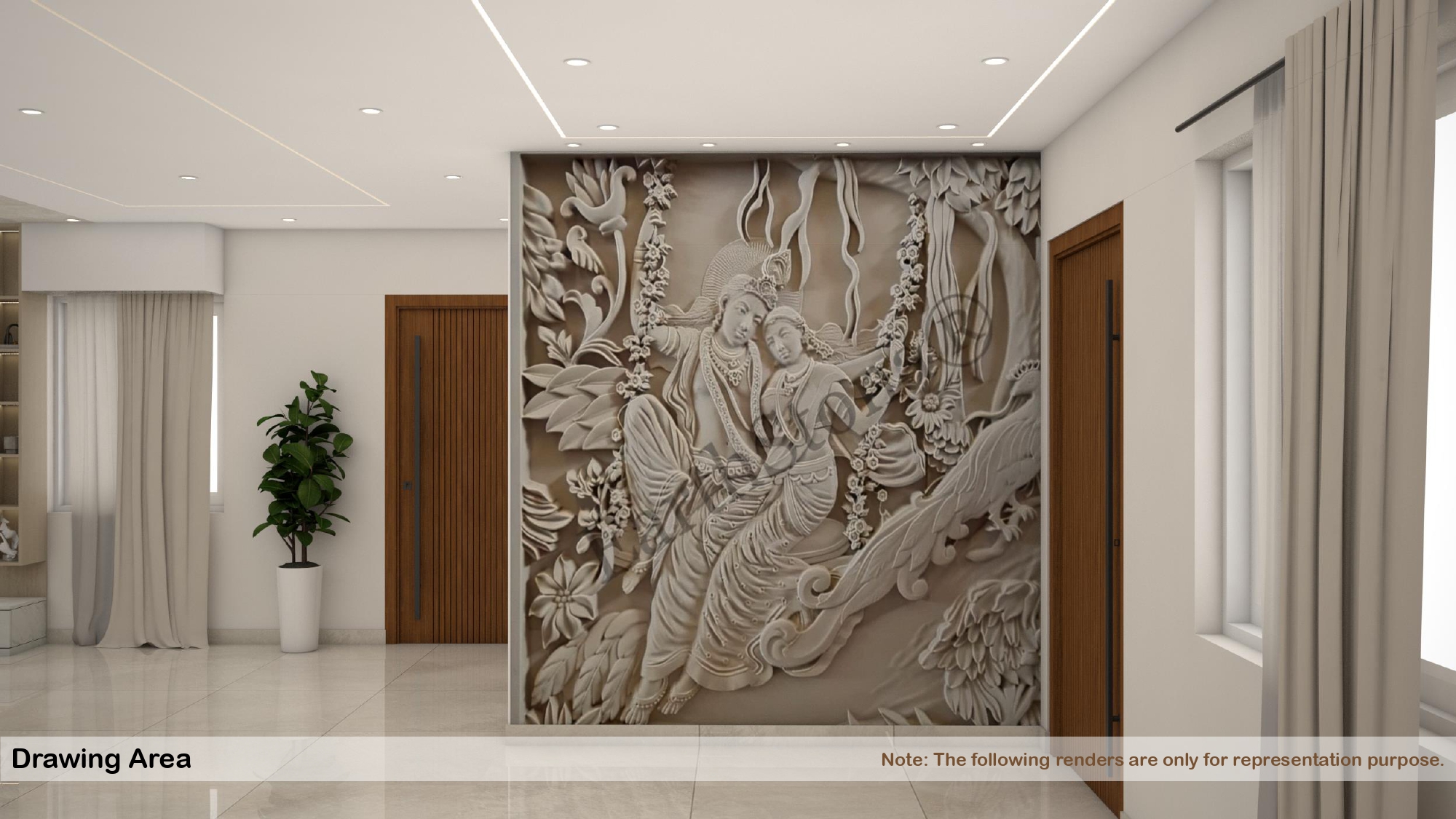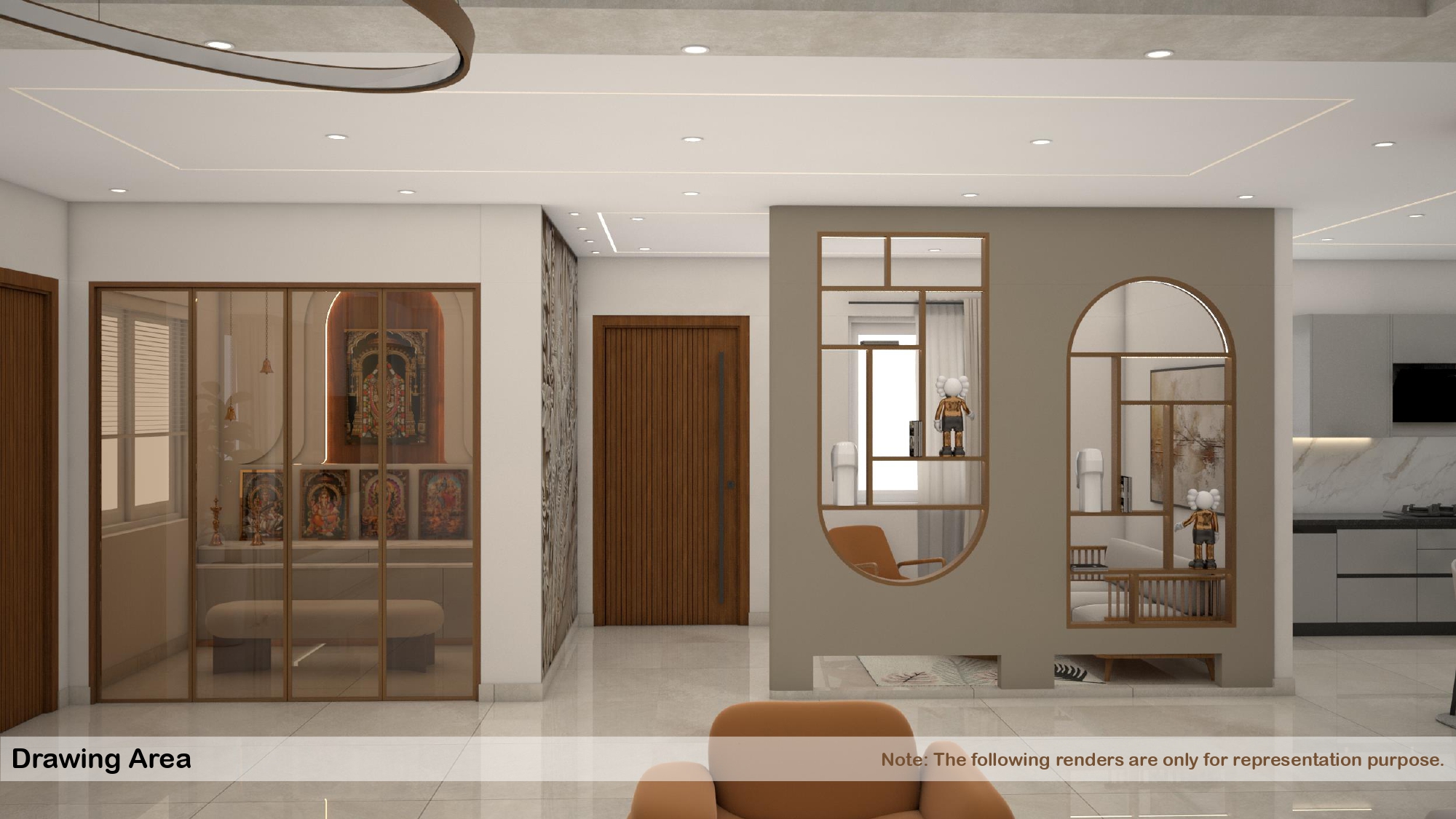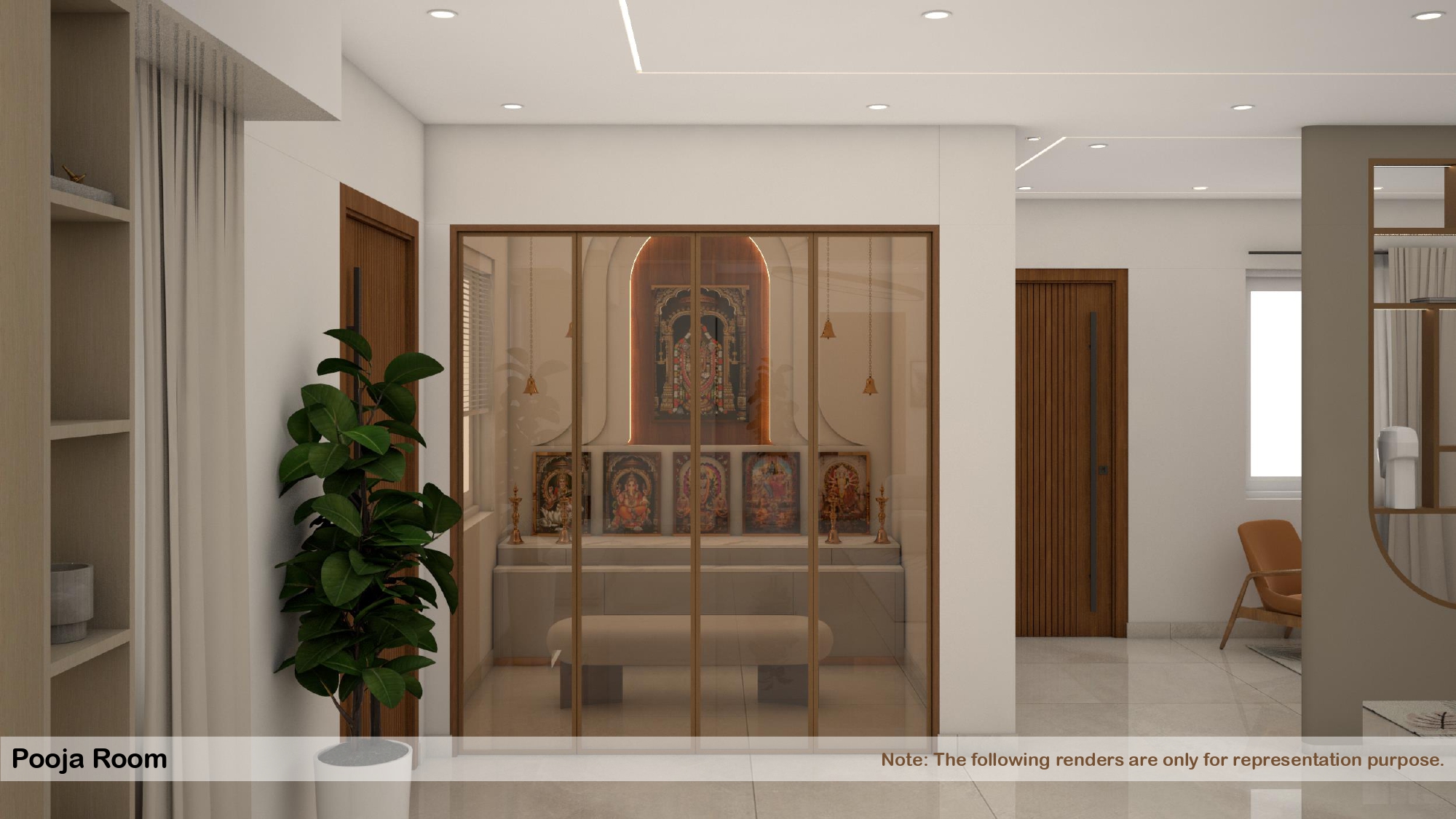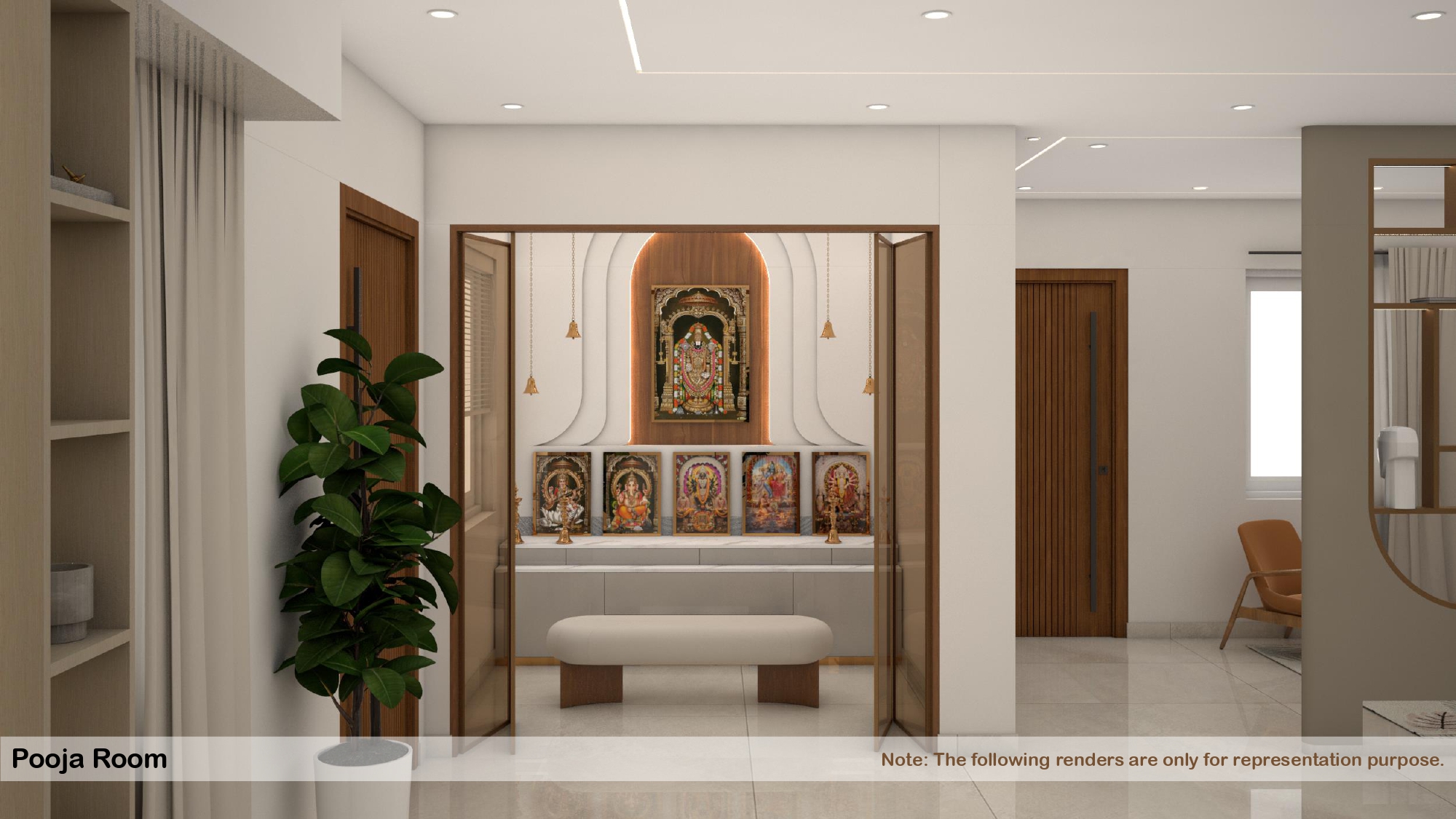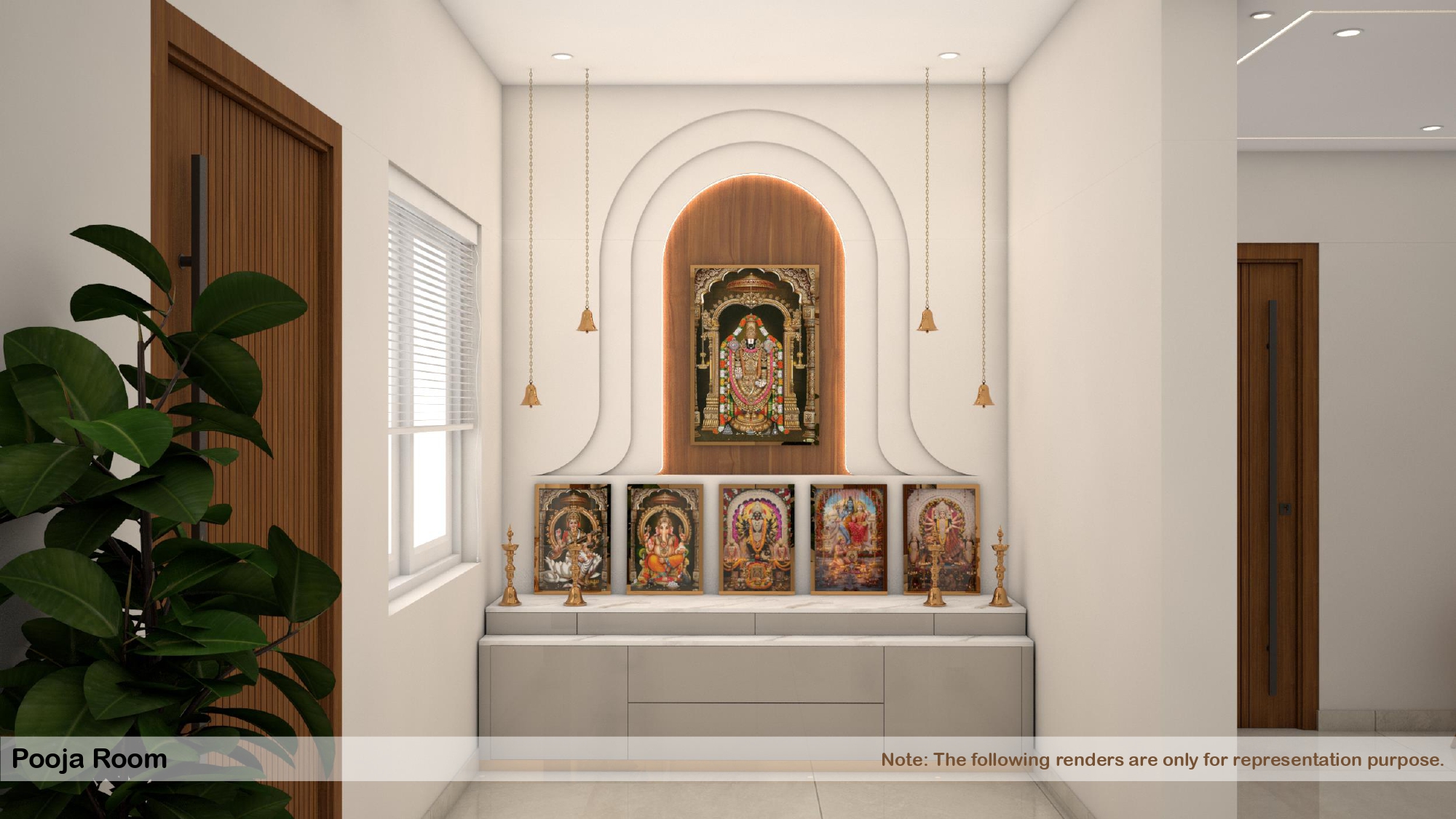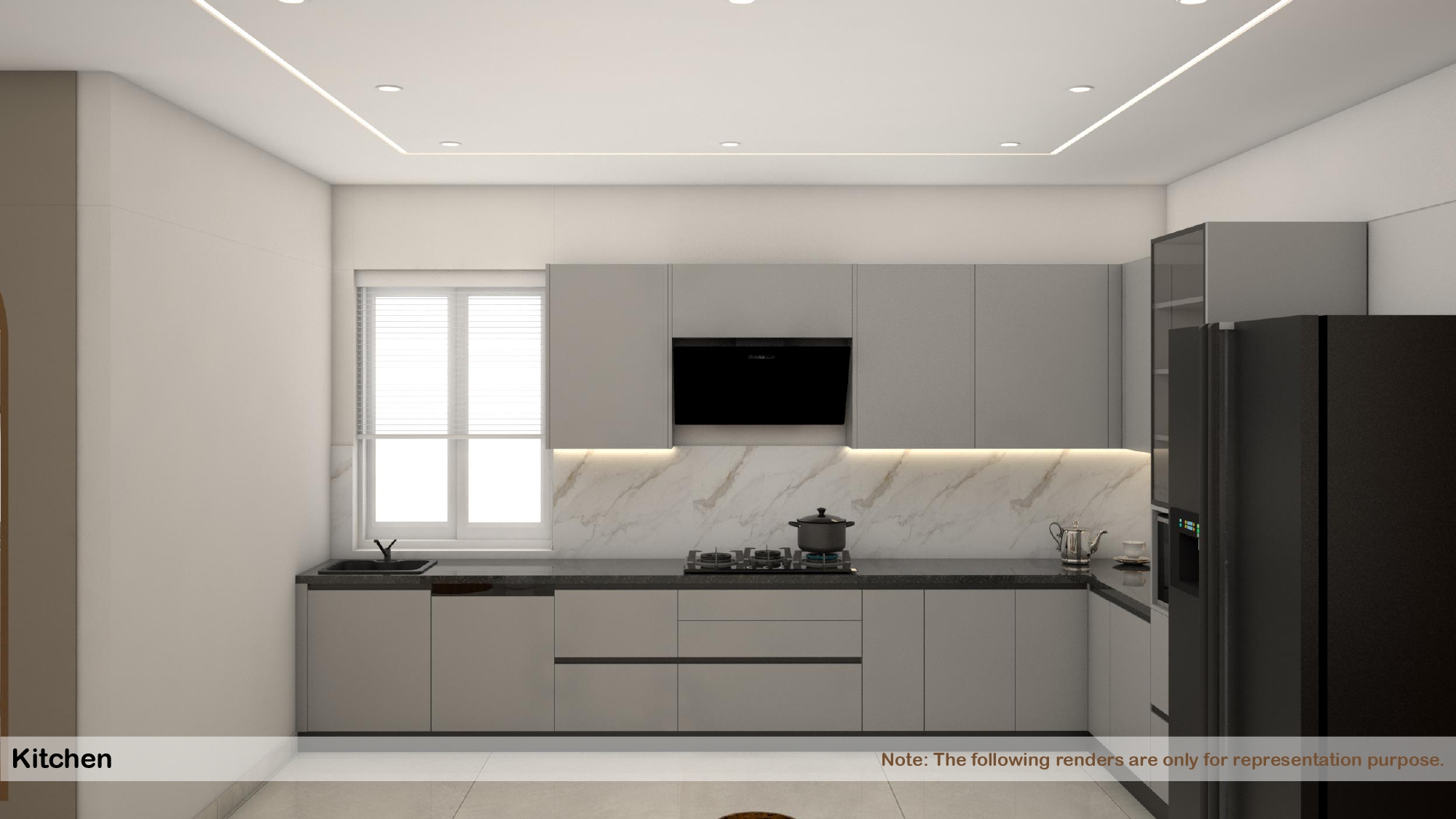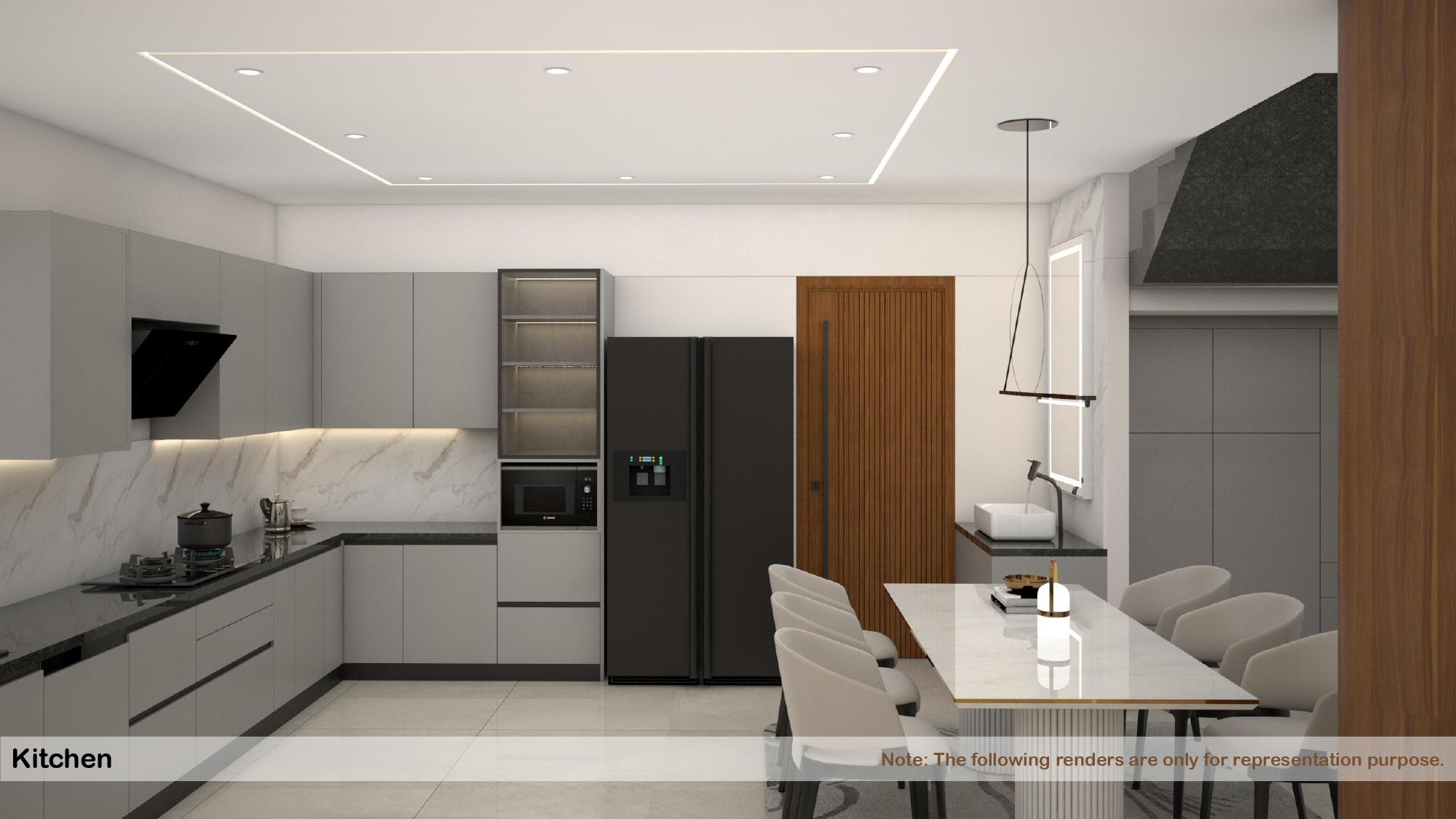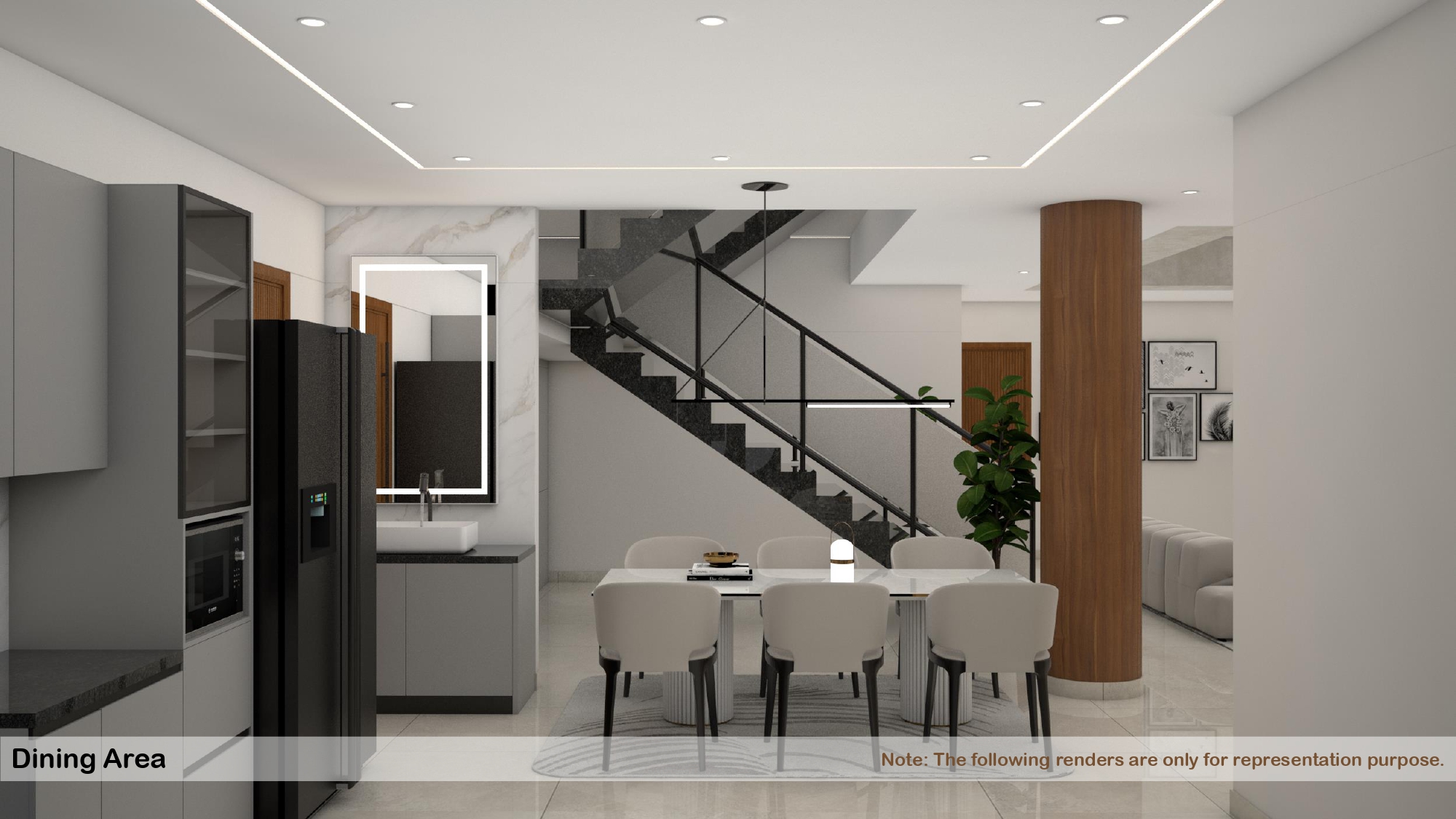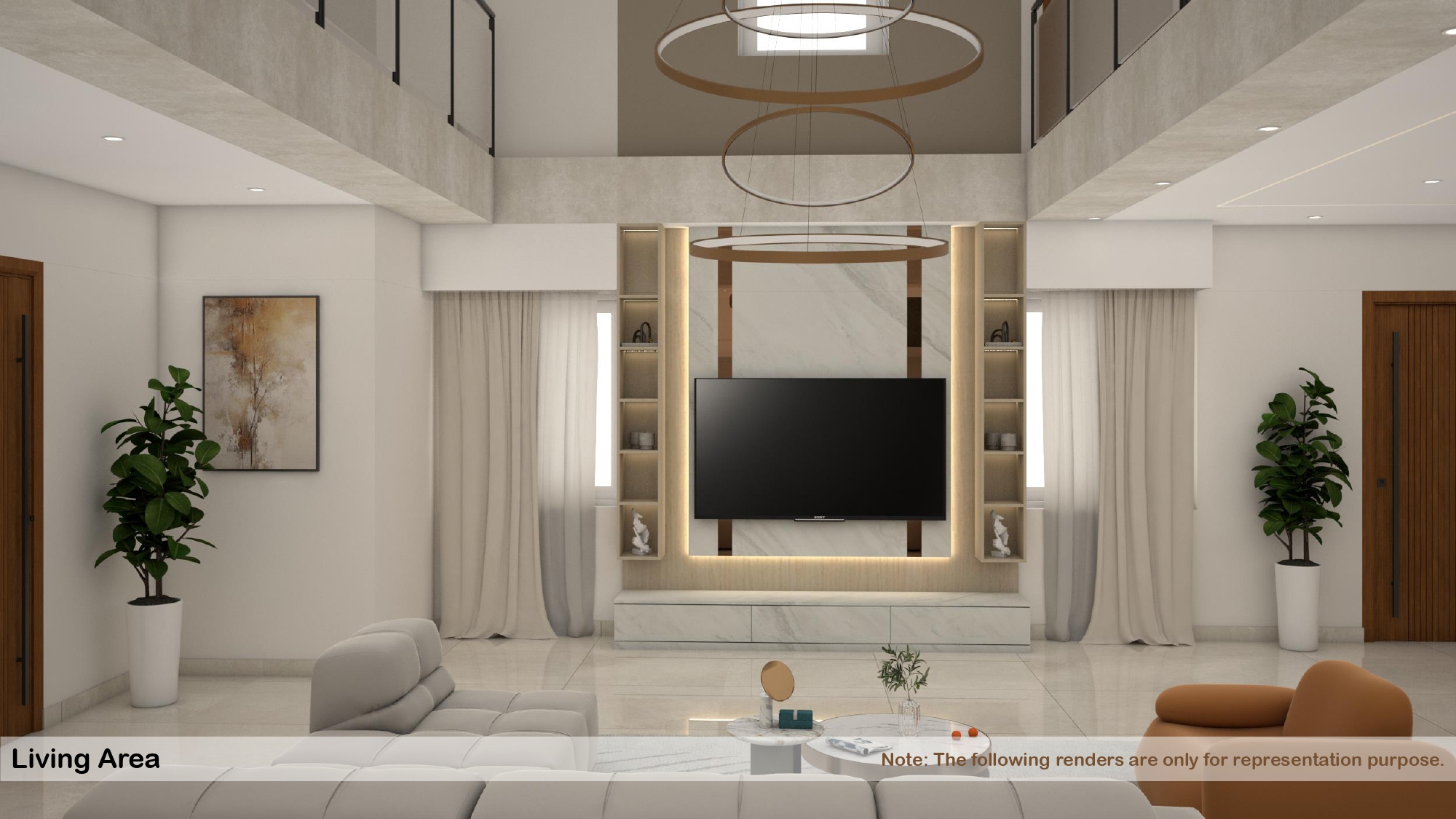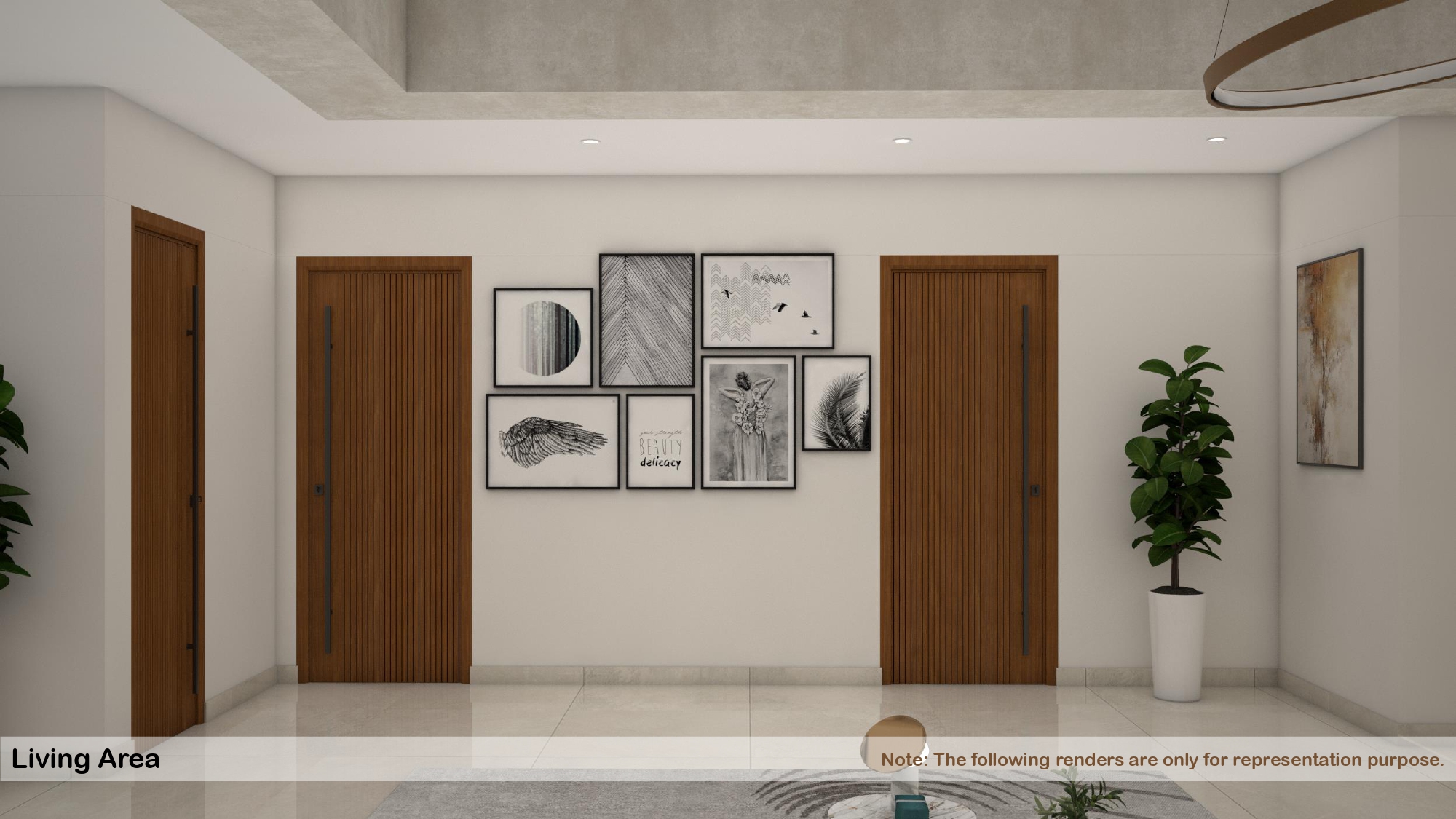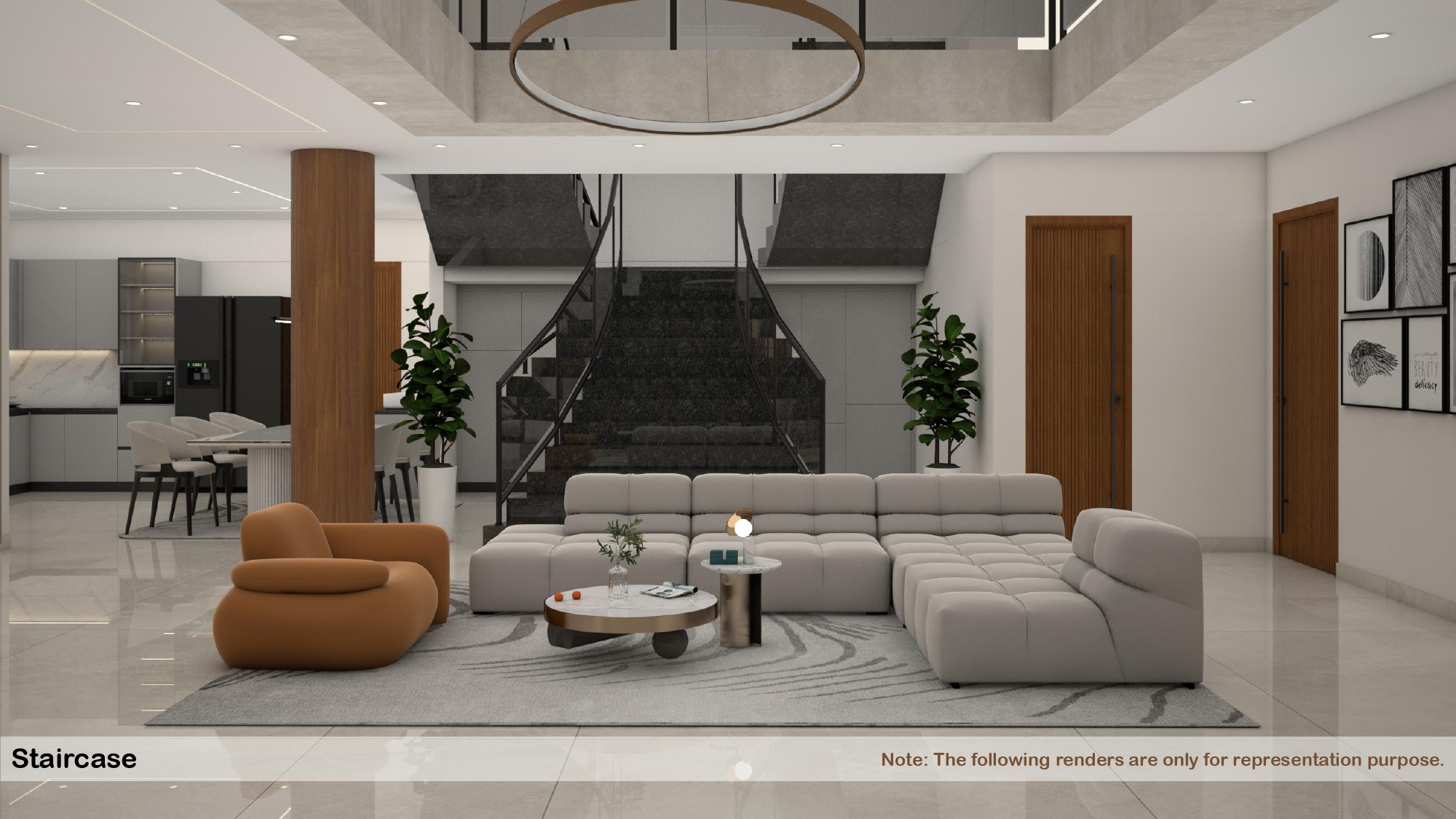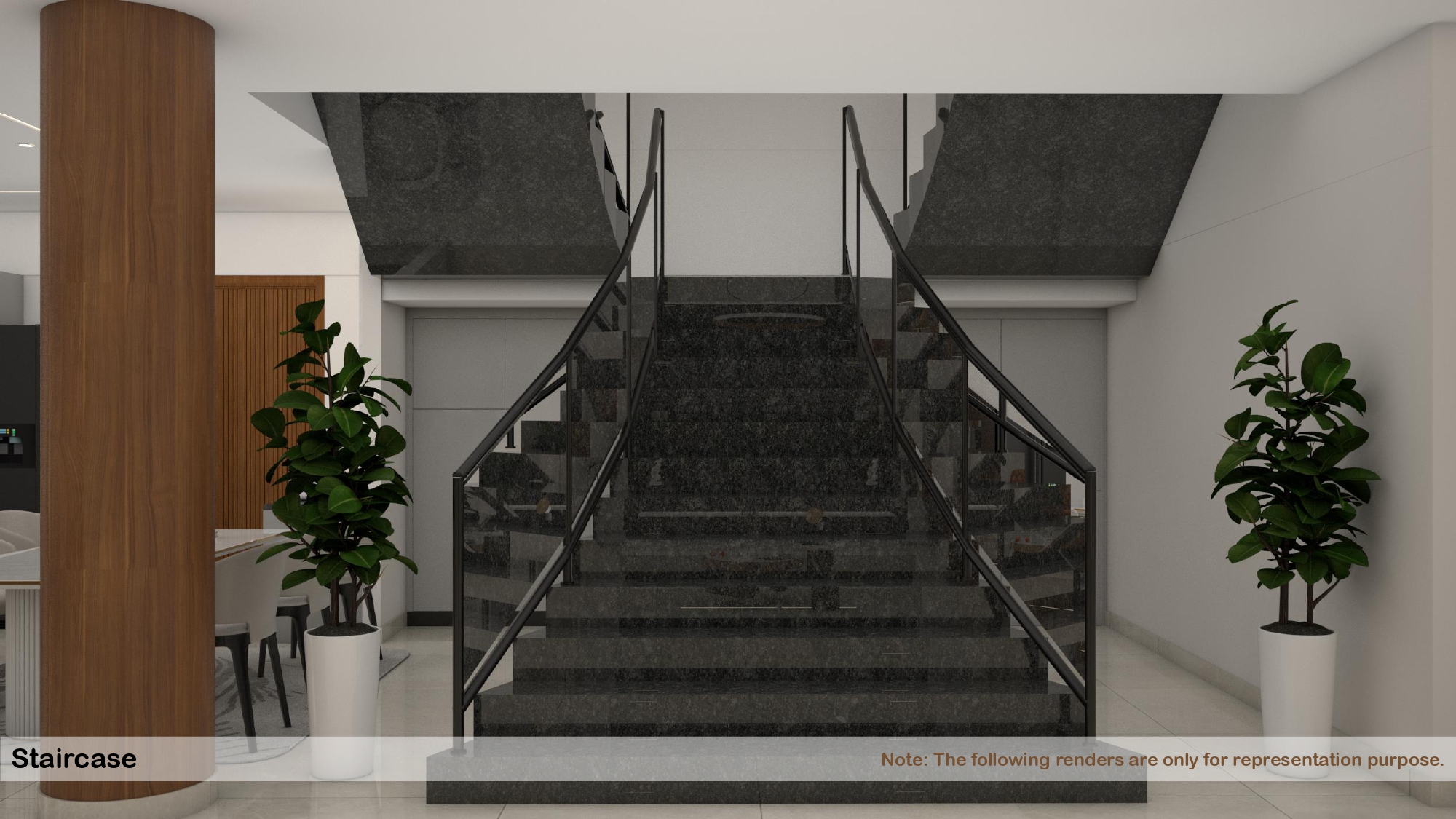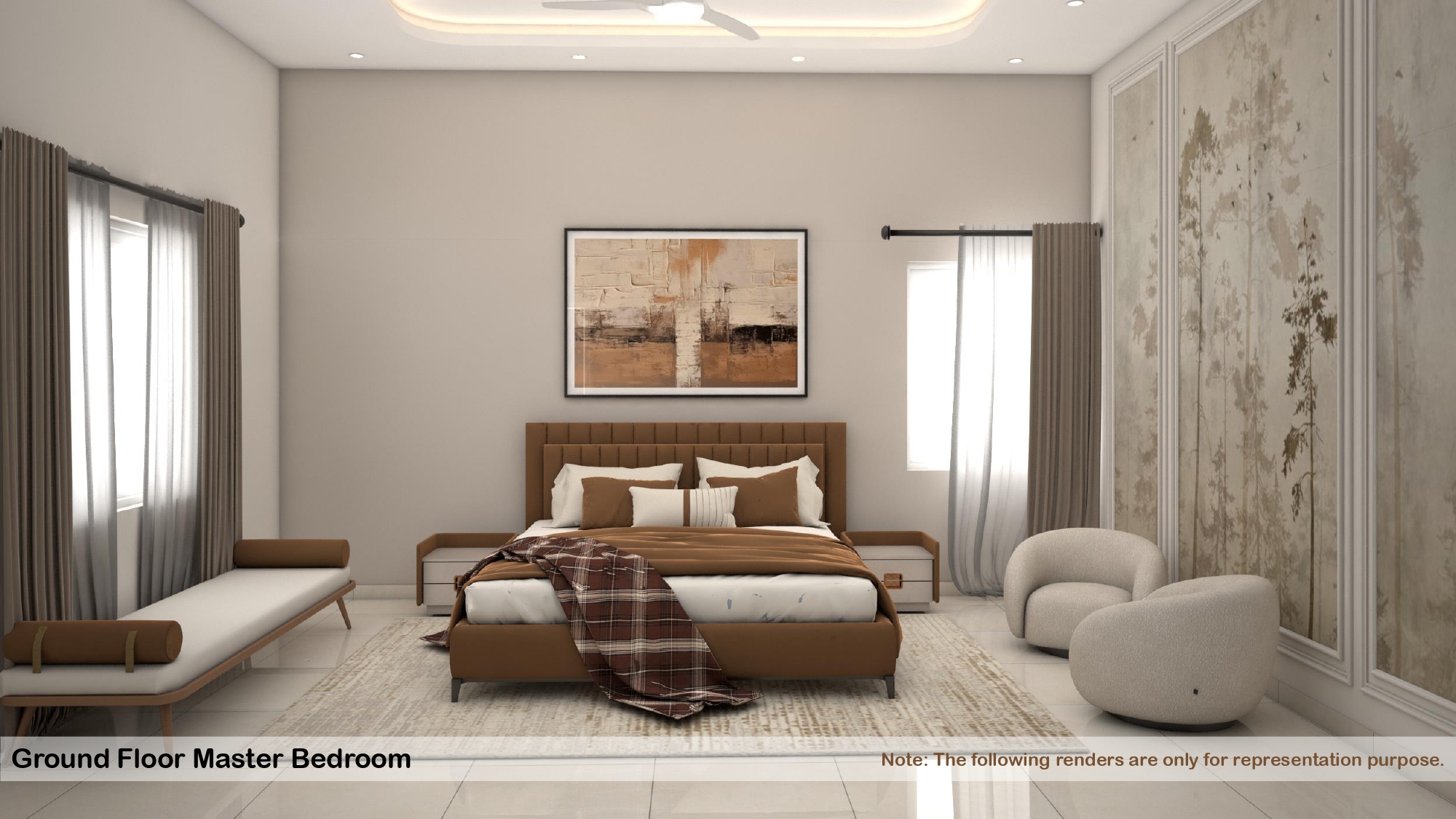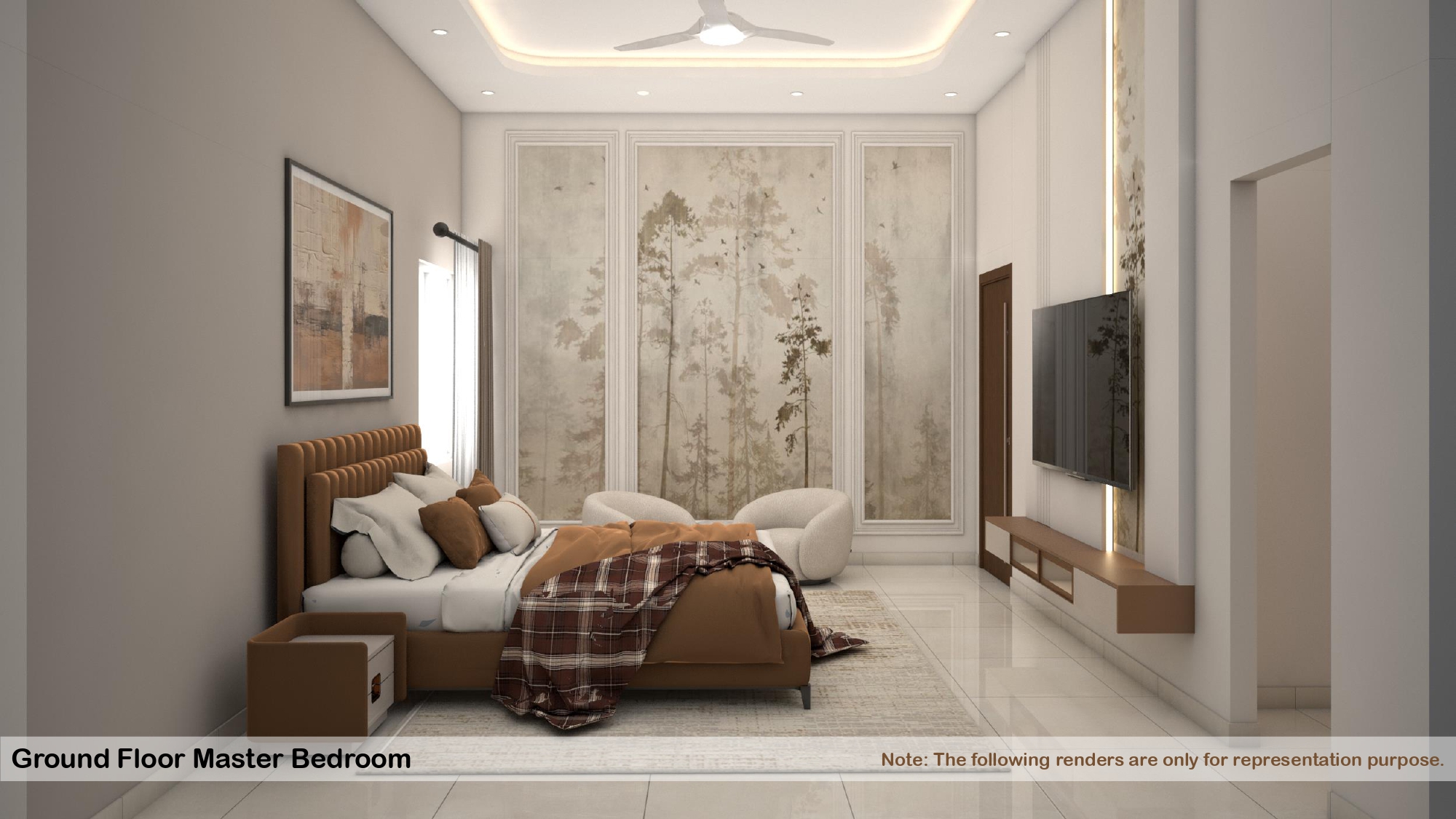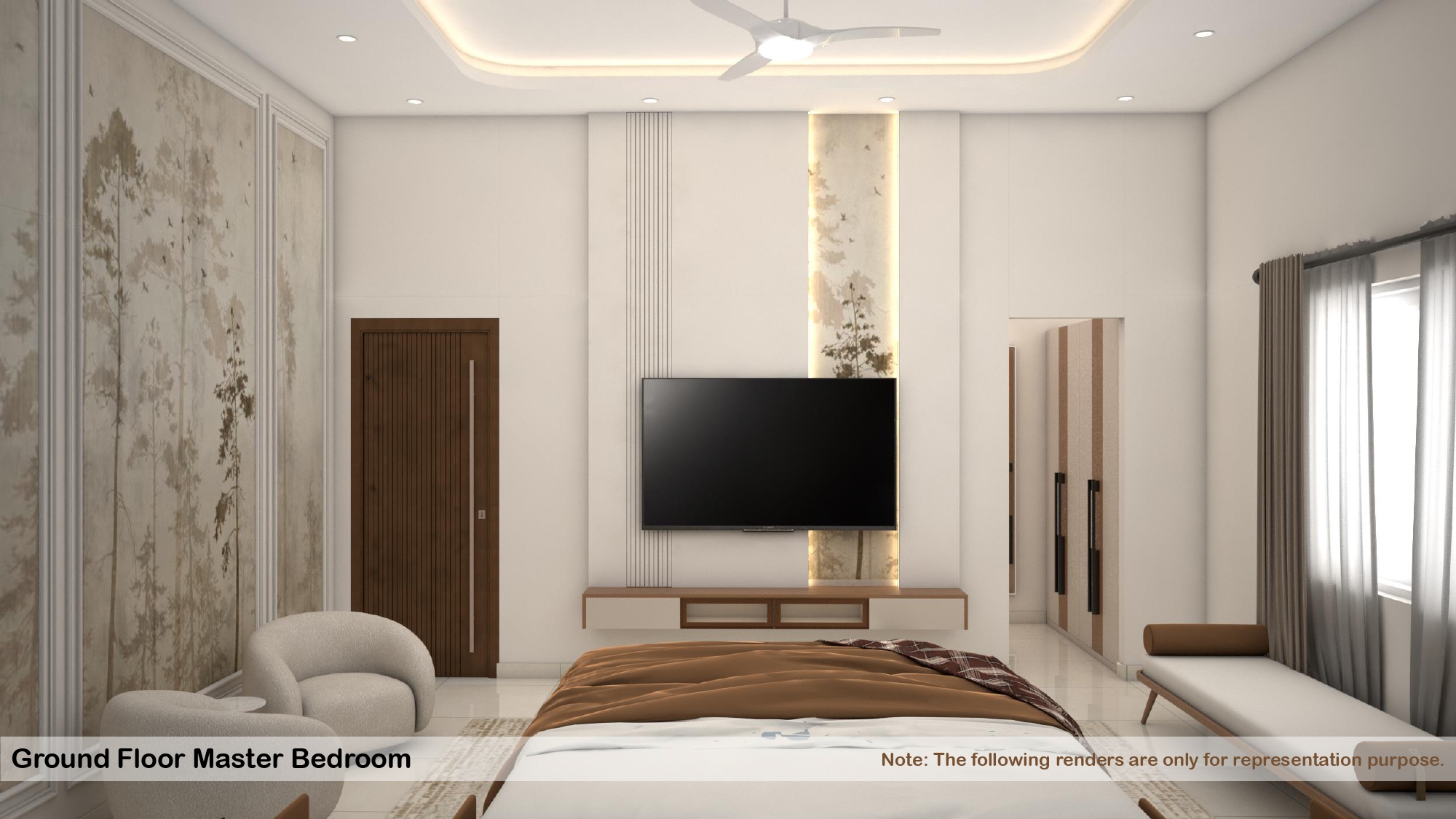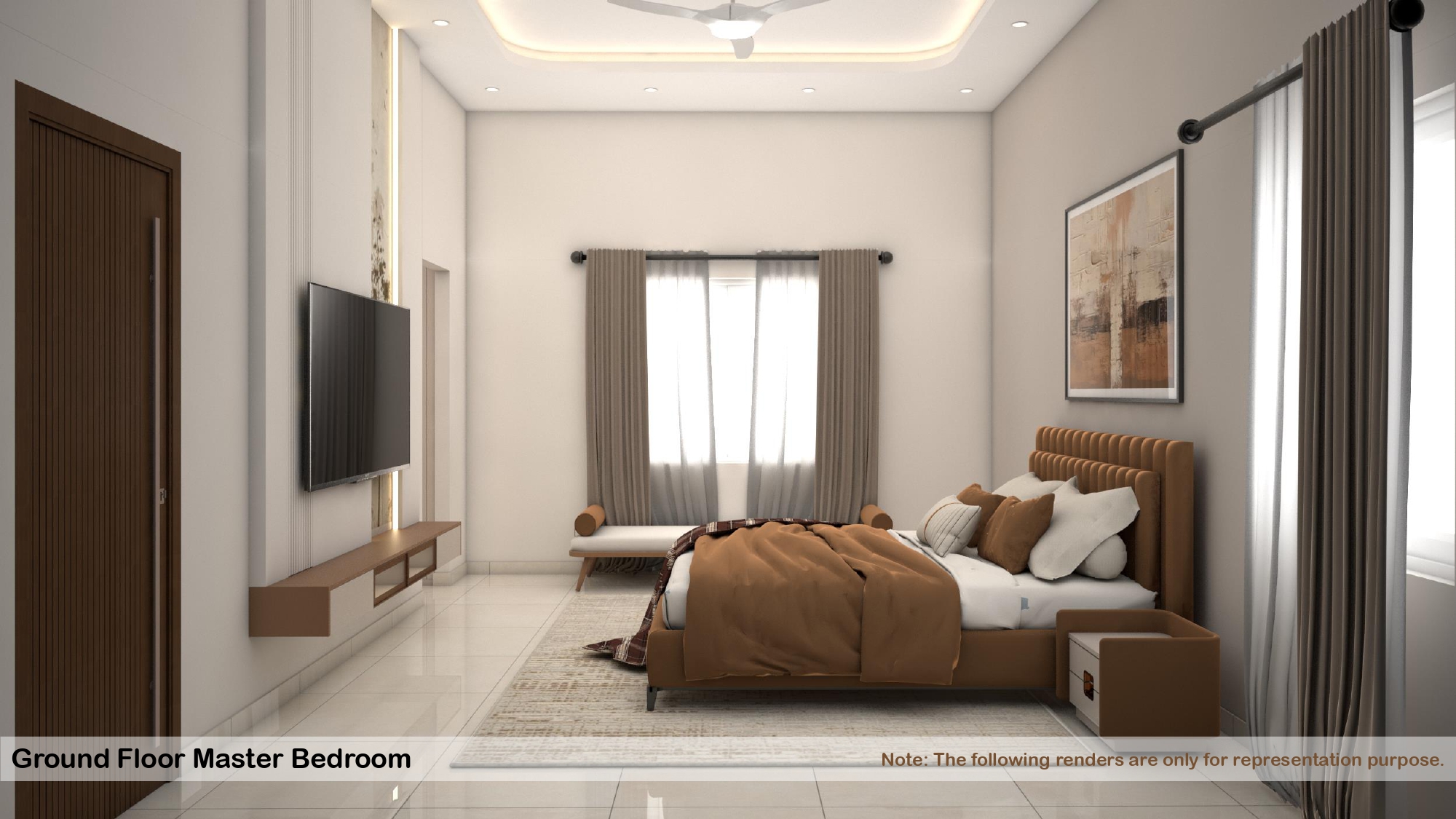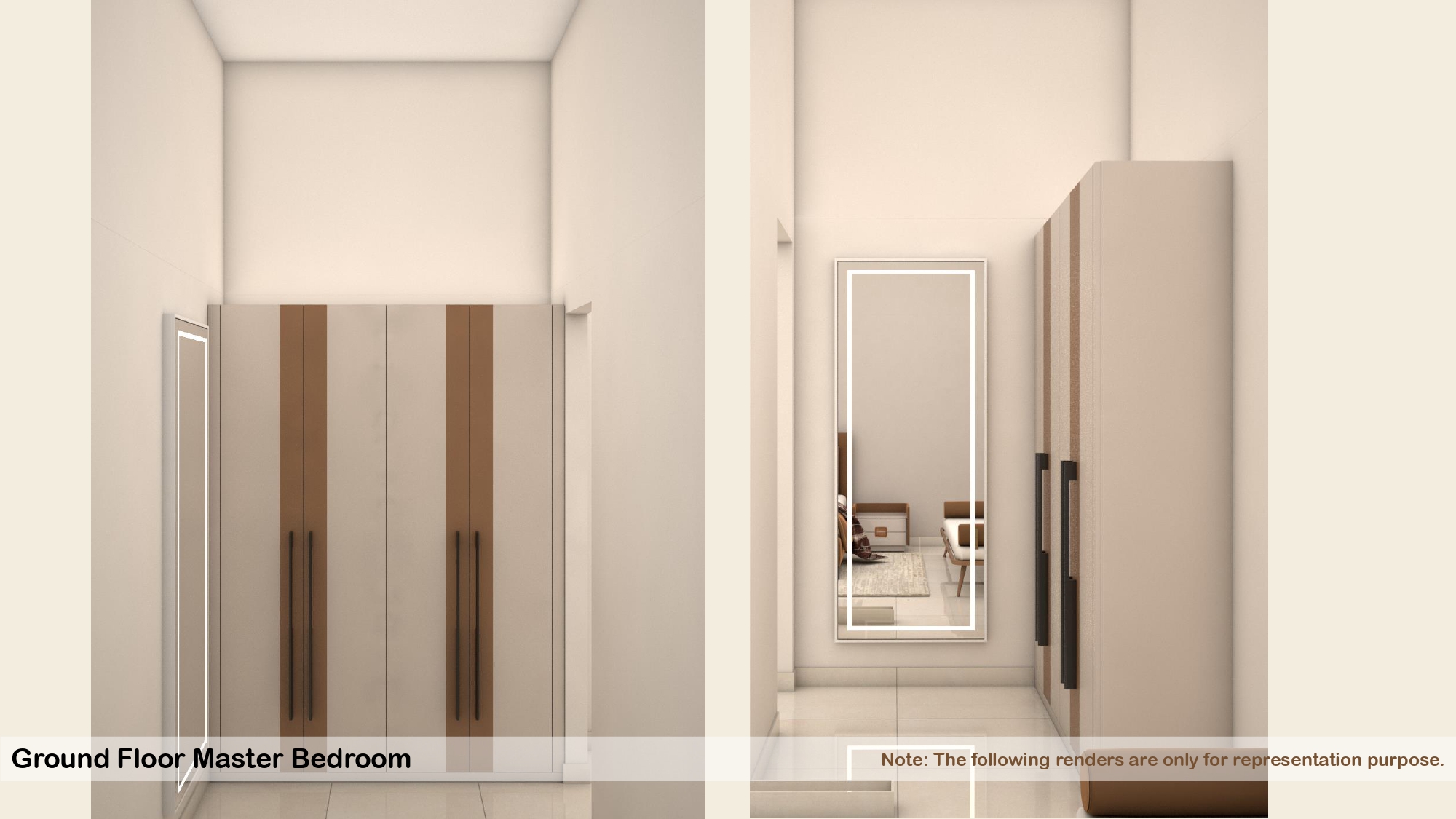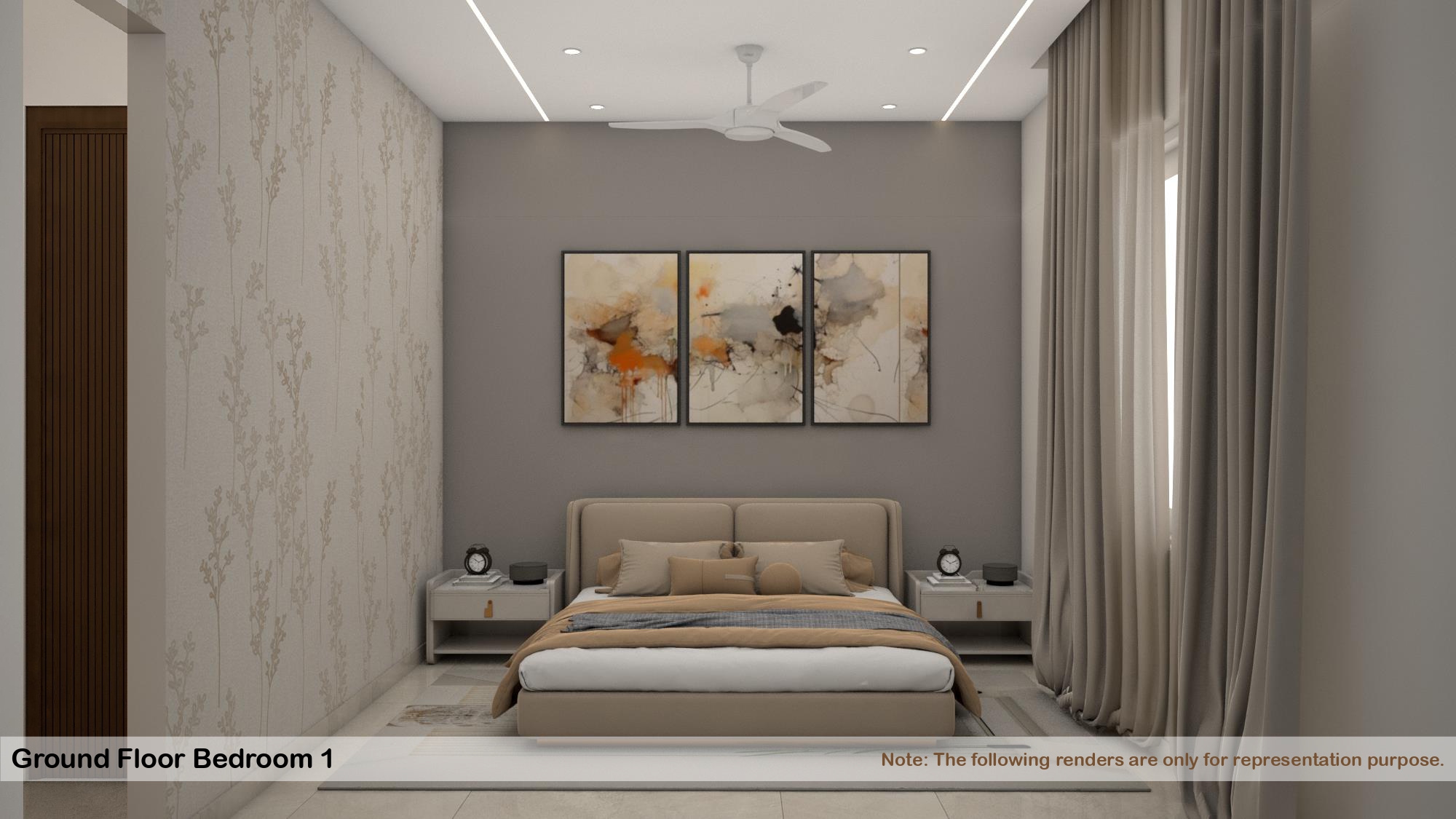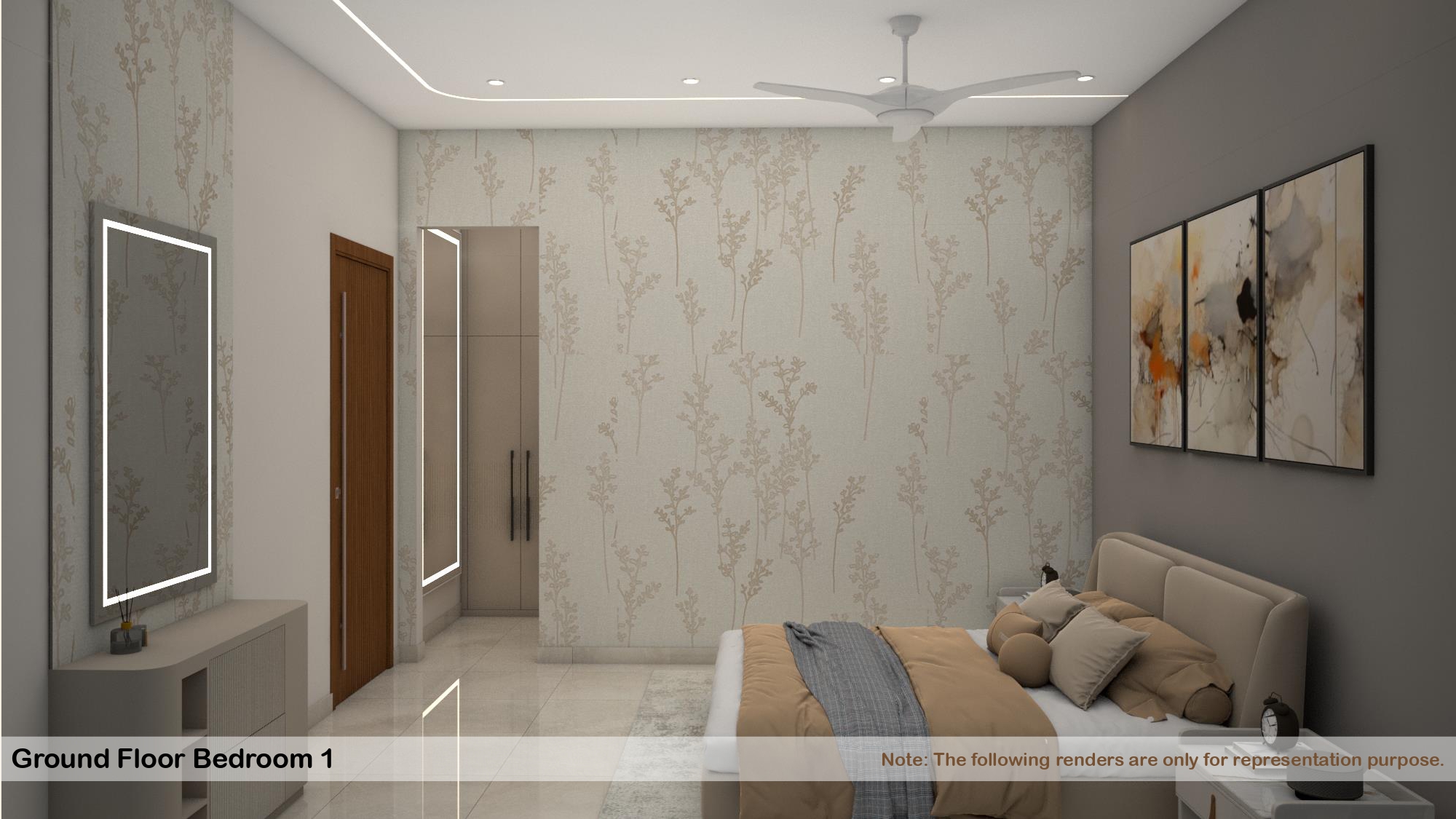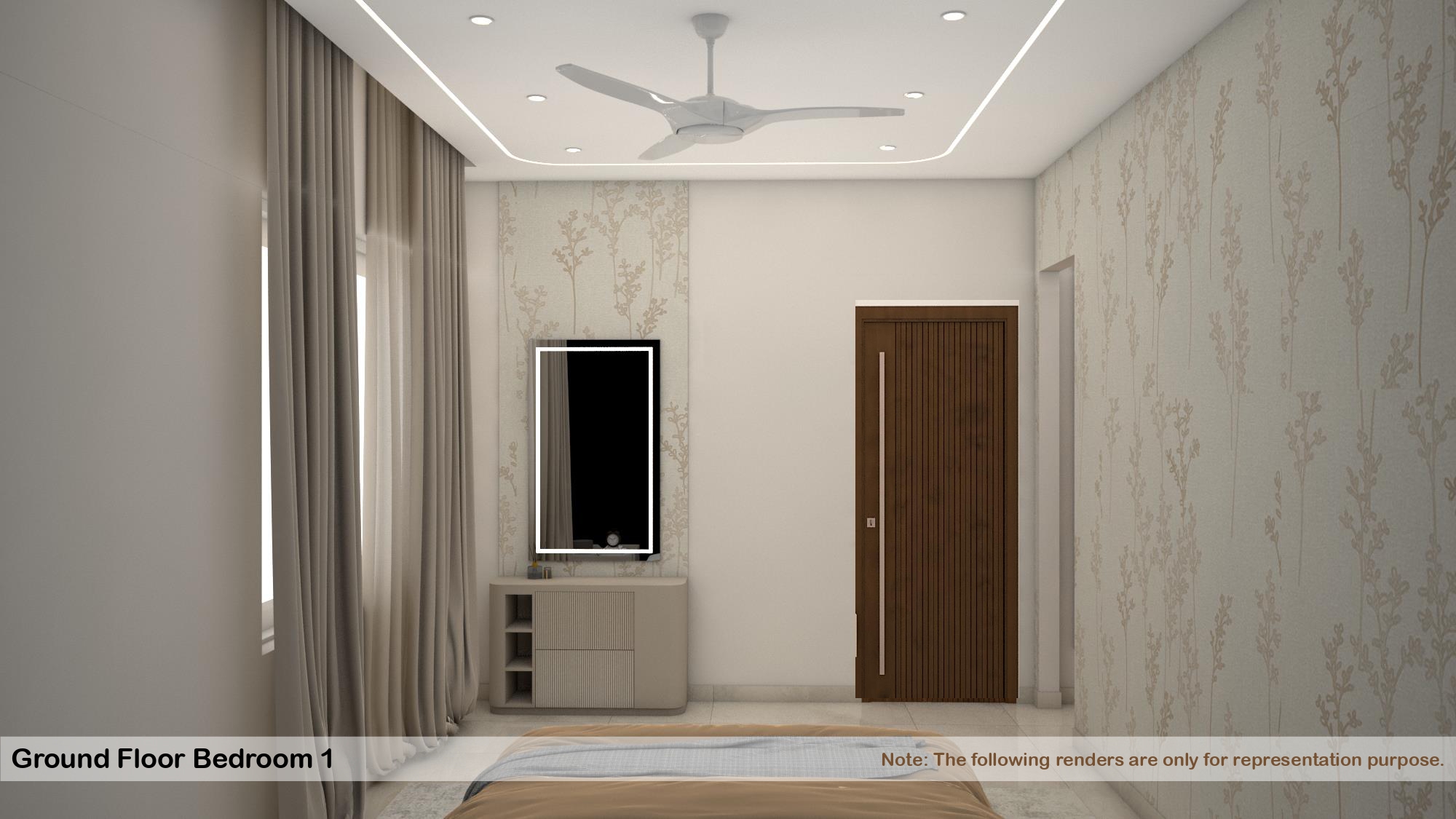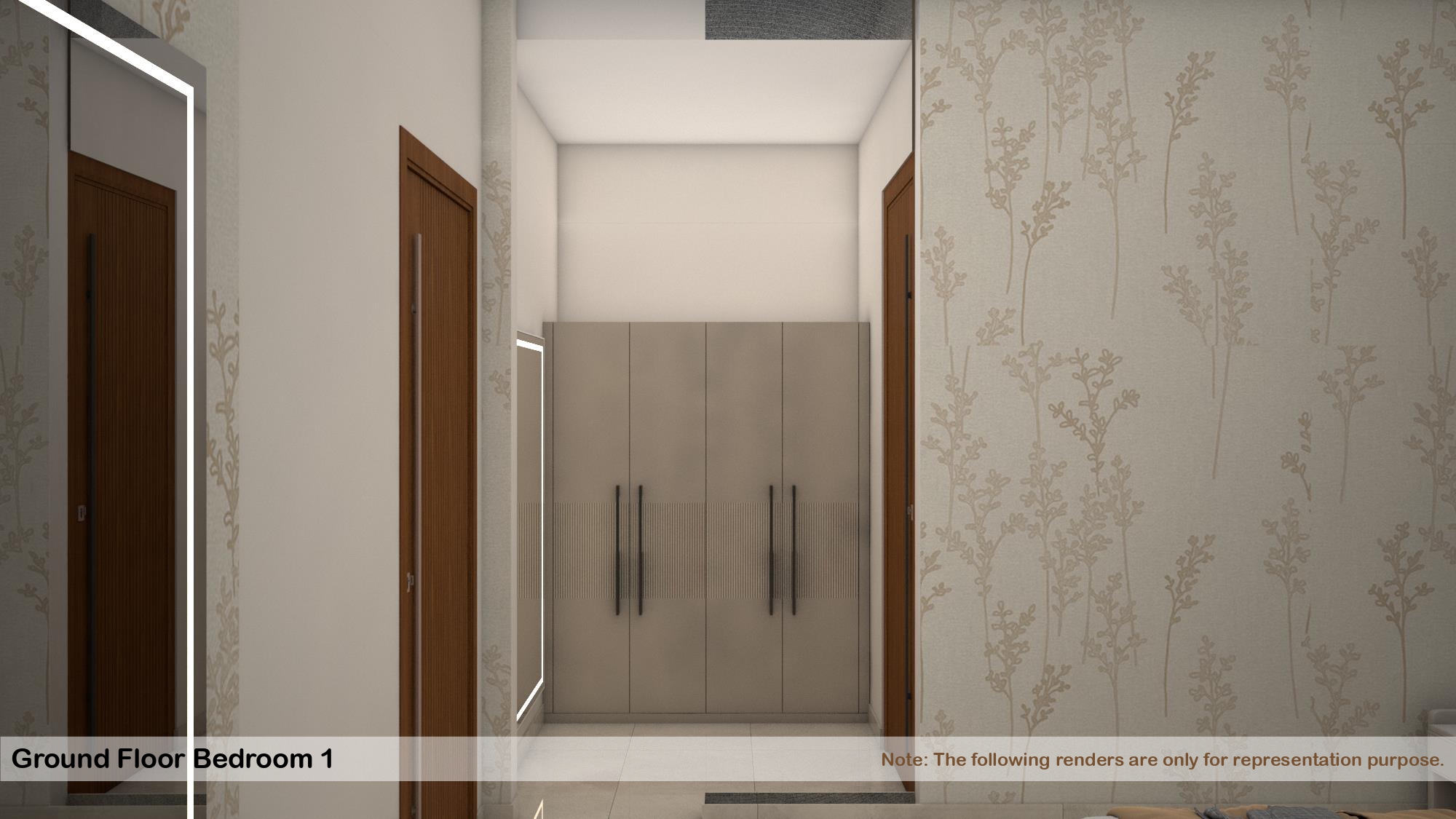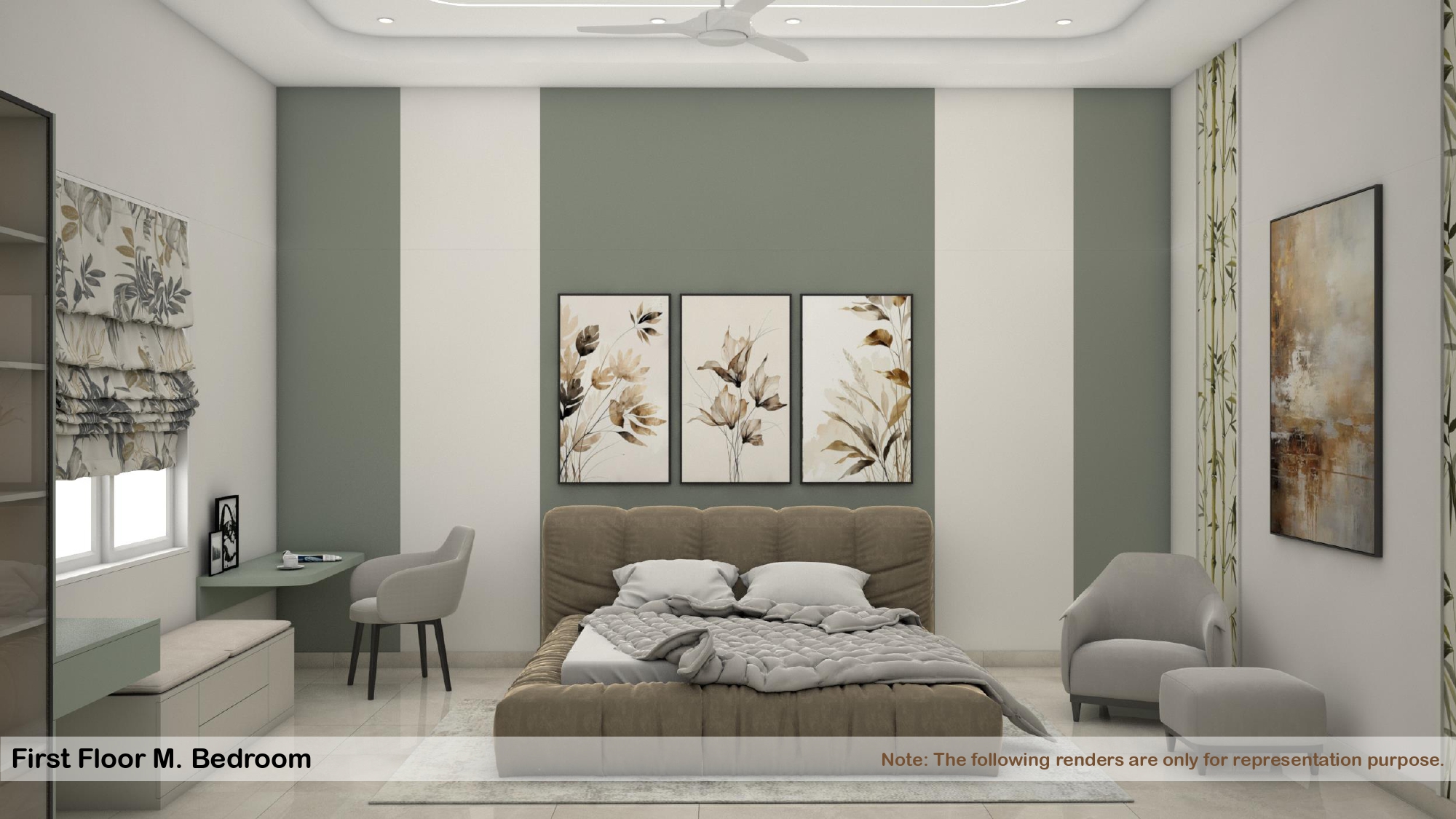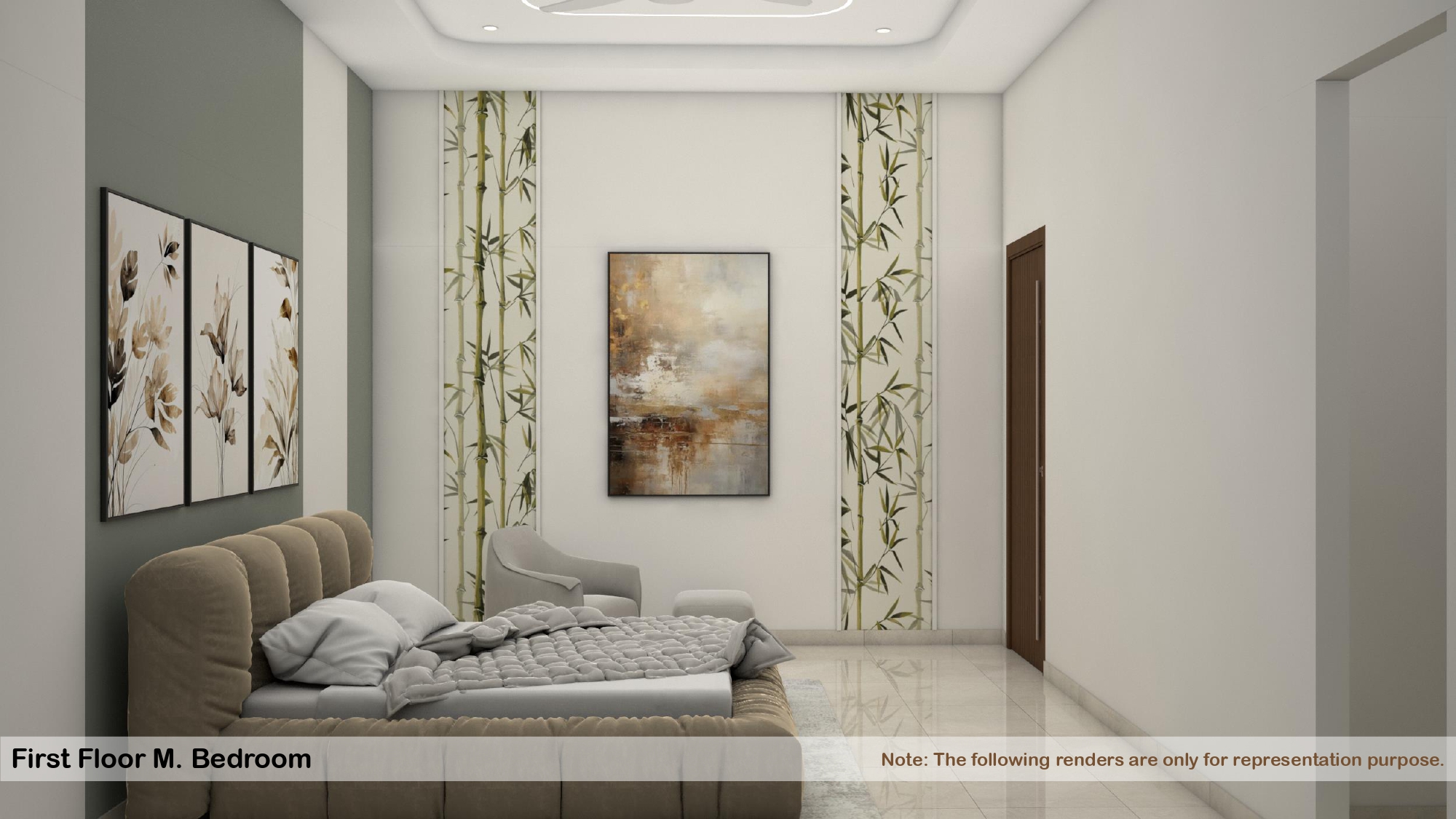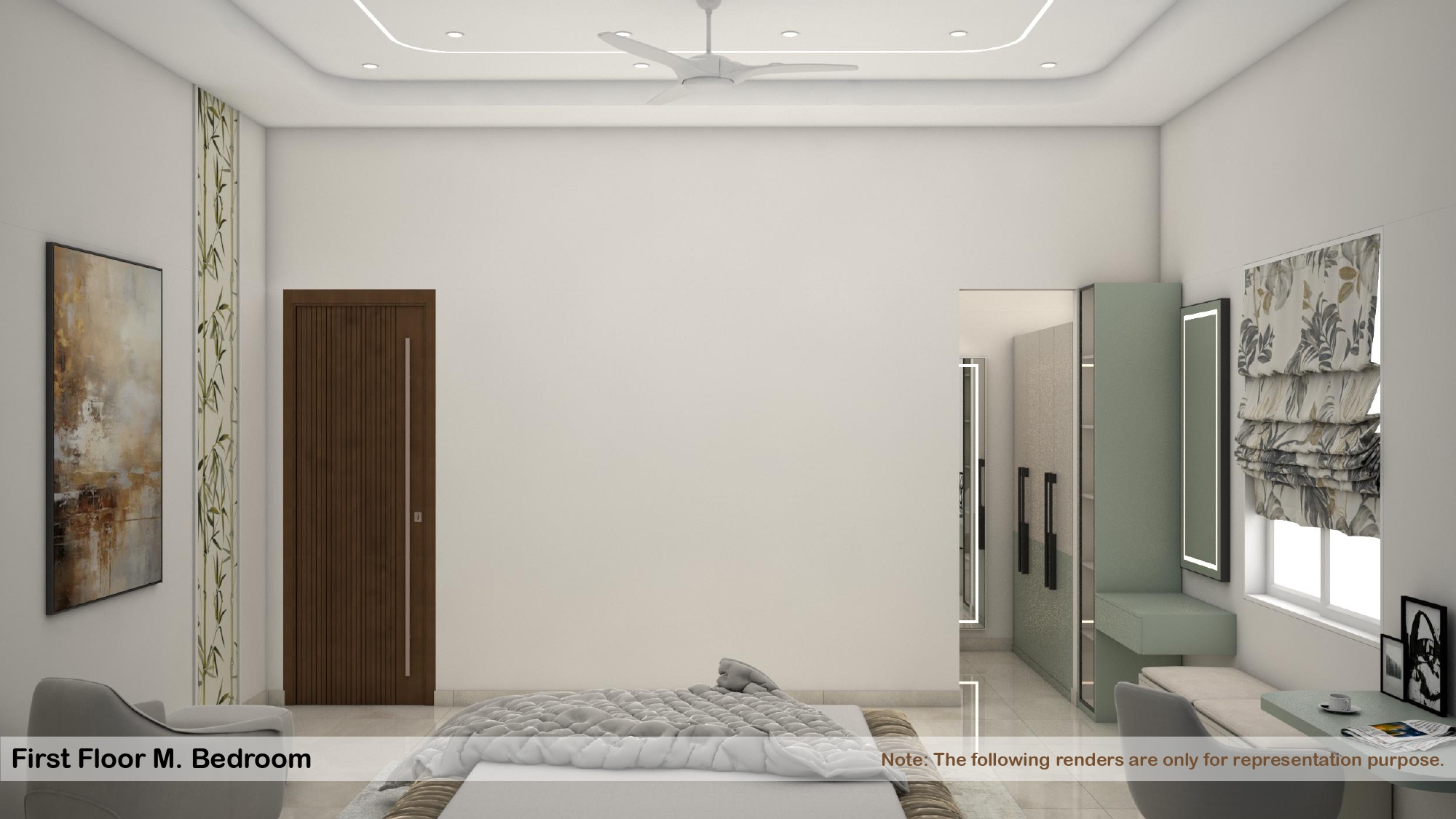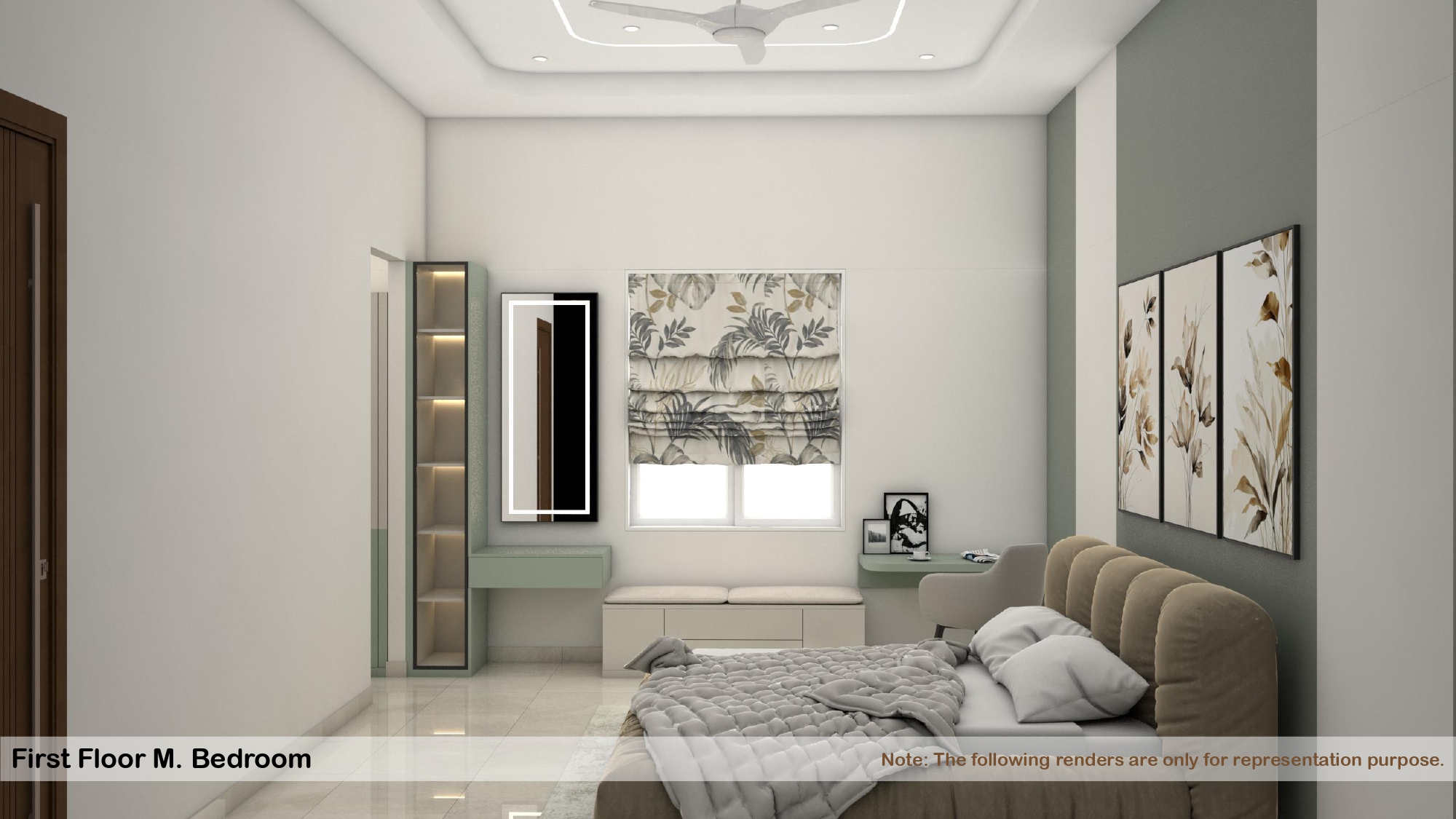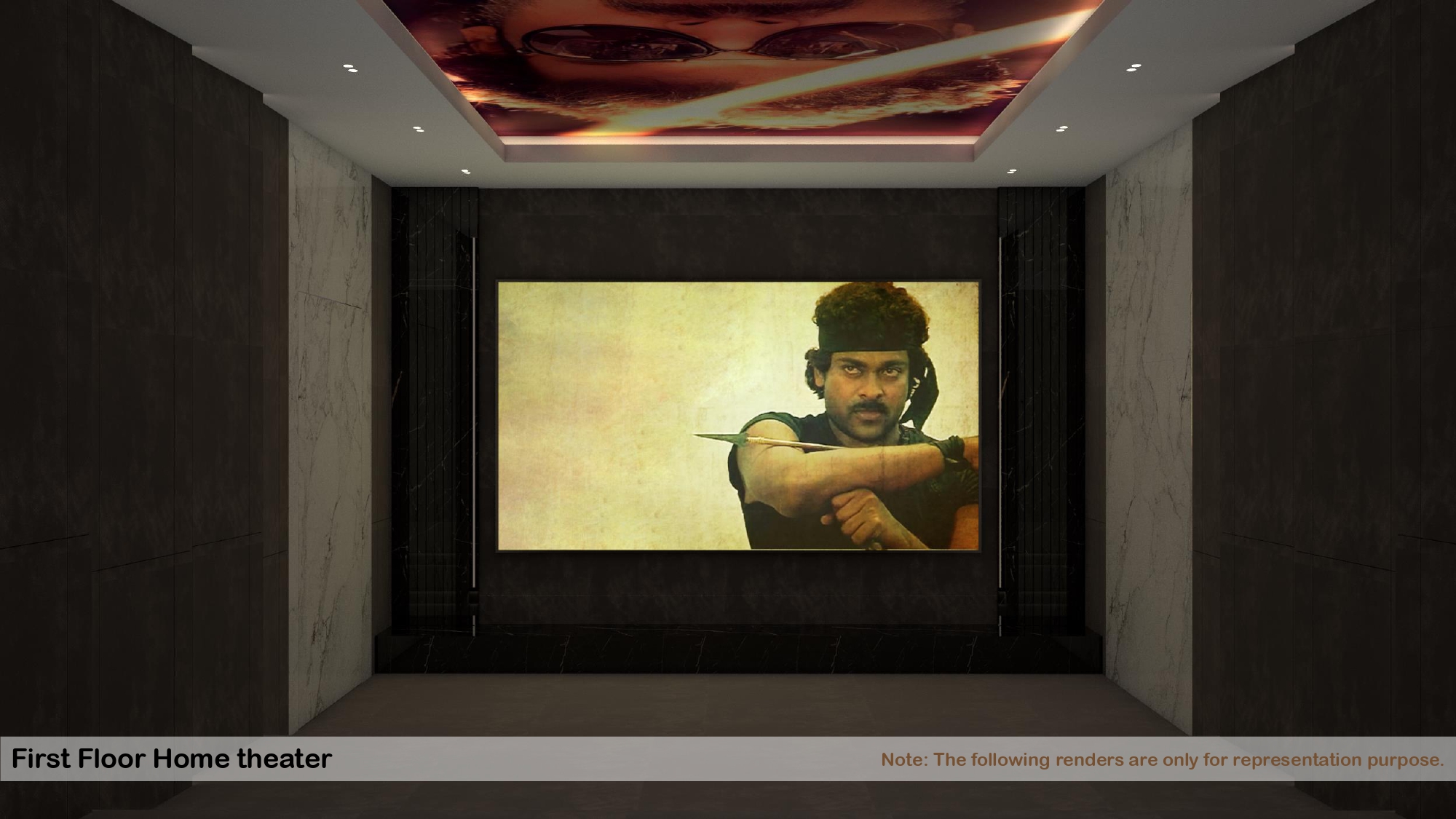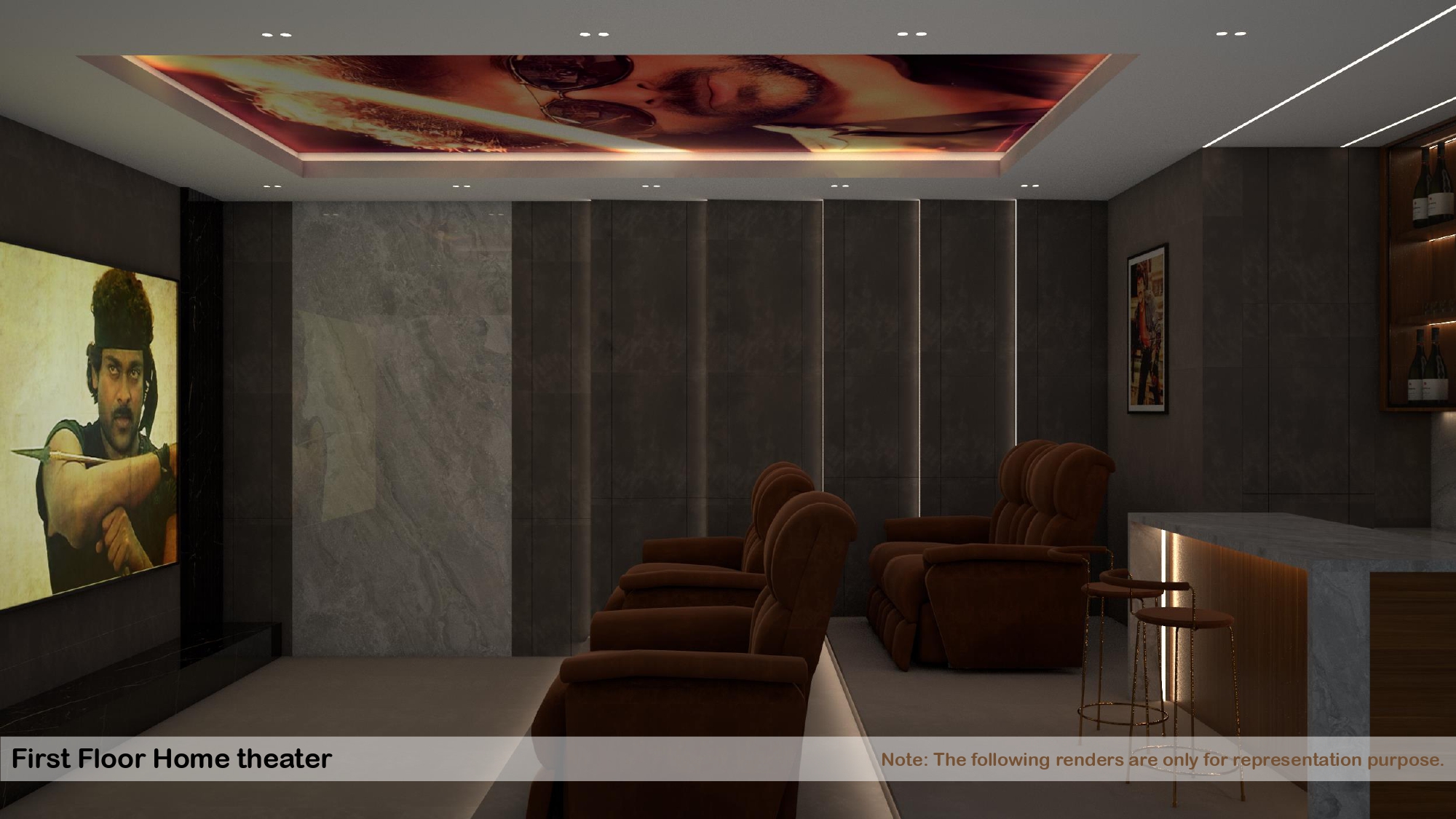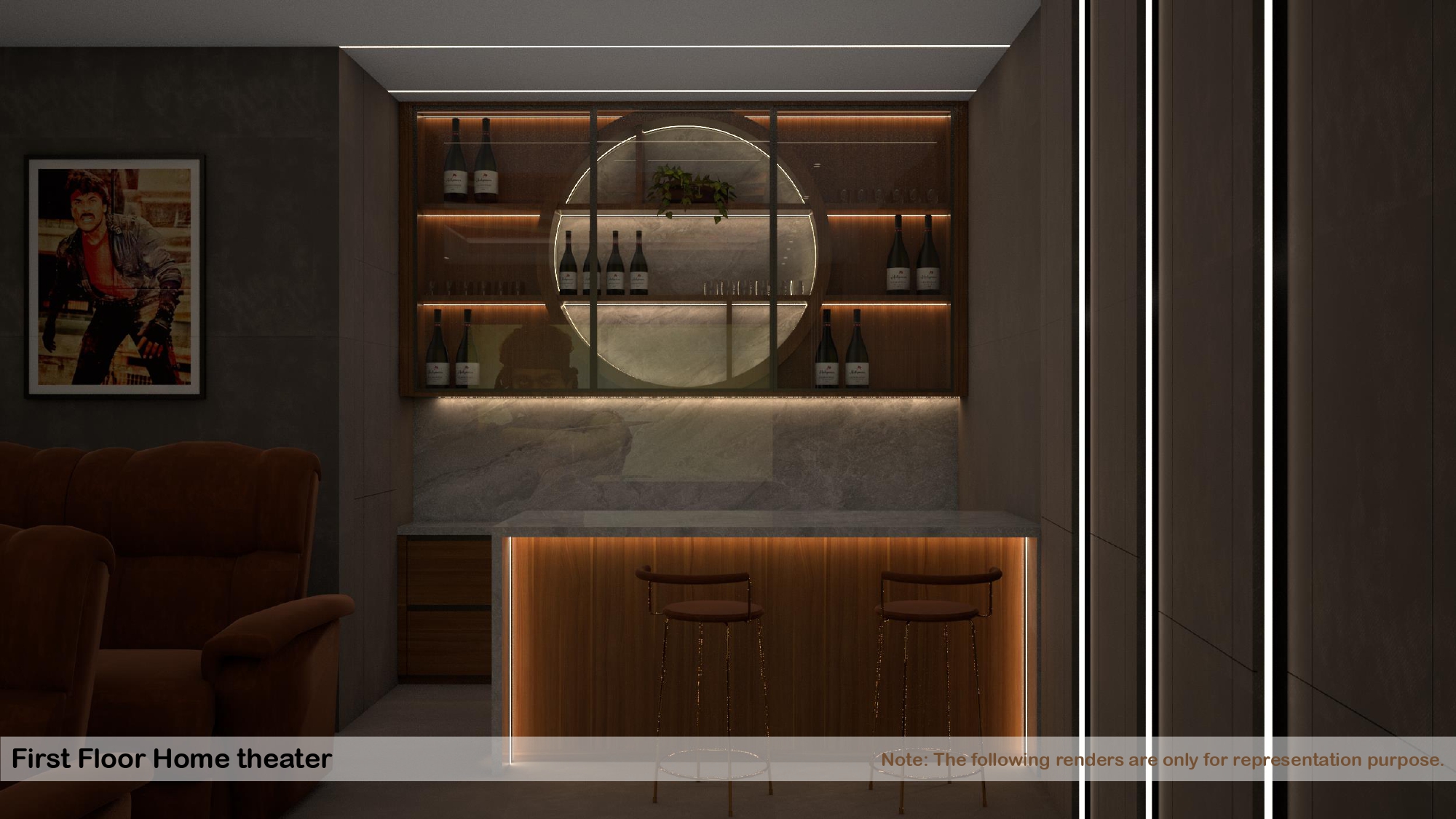
Just beyond the fast-growing corridors of West Hyderabad, in the serene landscapes of Chevella, this farmhouse was envisioned as more than a weekend retreat. It was meant to be a pause — a space where architecture dissolves into nature.
Where Nature Became the Design Language
When we first stepped into the site, what stood out wasn’t the built form — it was the openness, the breeze, the distant greens. Instead of overpowering the surroundings, we decided the interiors should quietly blend with them.
Our approach was rooted in biophilic design — allowing natural light, ventilation, textures, and materials to shape the interior architecture. Large openings were aligned to frame outdoor views. Circulation pathways were planned to feel organic, not rigid. Every space was designed to maintain a visual connection with nature.
Minimalism with Purpose
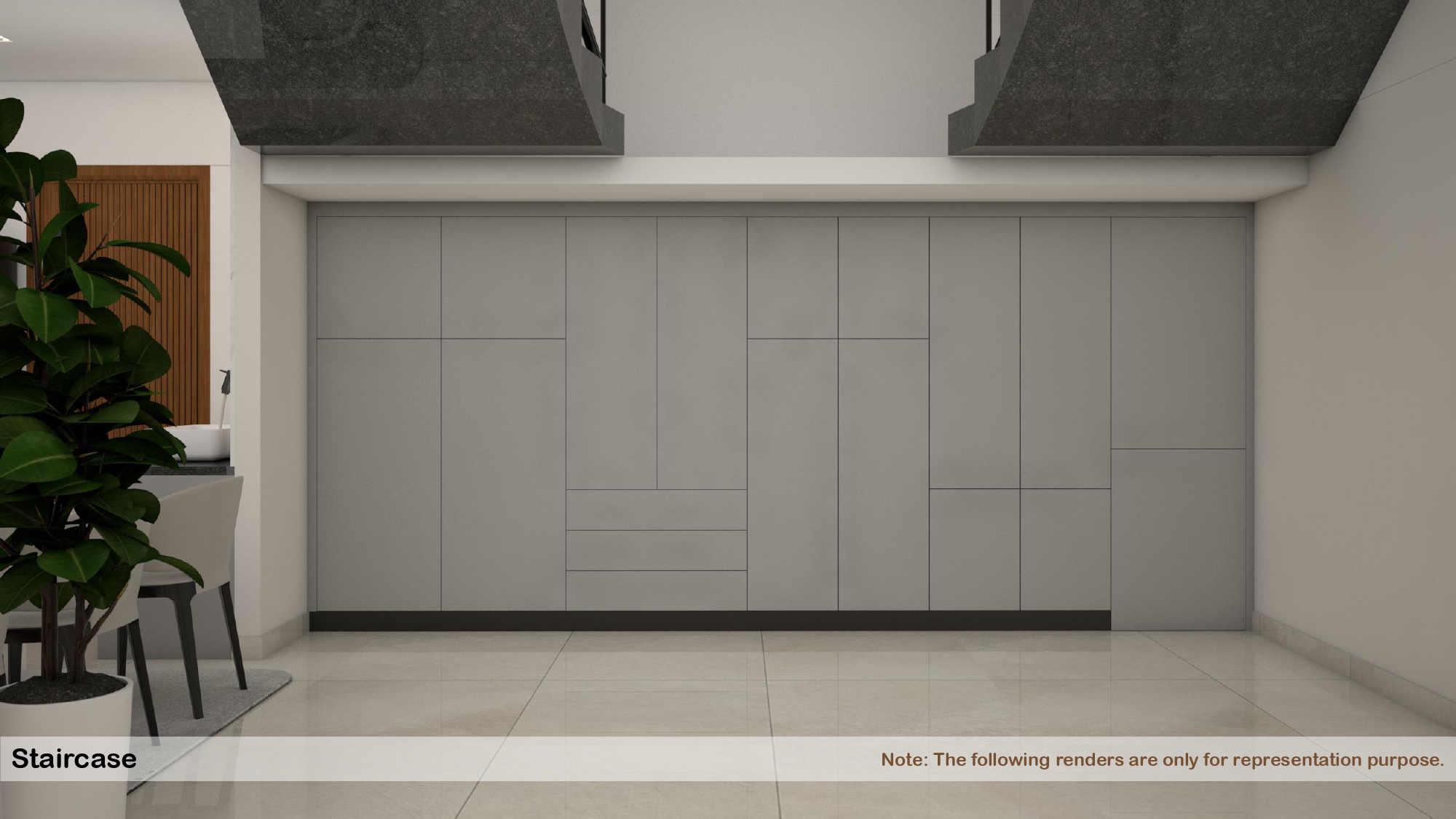
Rather than over-designing the farmhouse, we optimized the budget through a structured minimalist approach. Clean lines, uncluttered surfaces, and functional detailing reduced unnecessary material usage while enhancing spatial clarity.
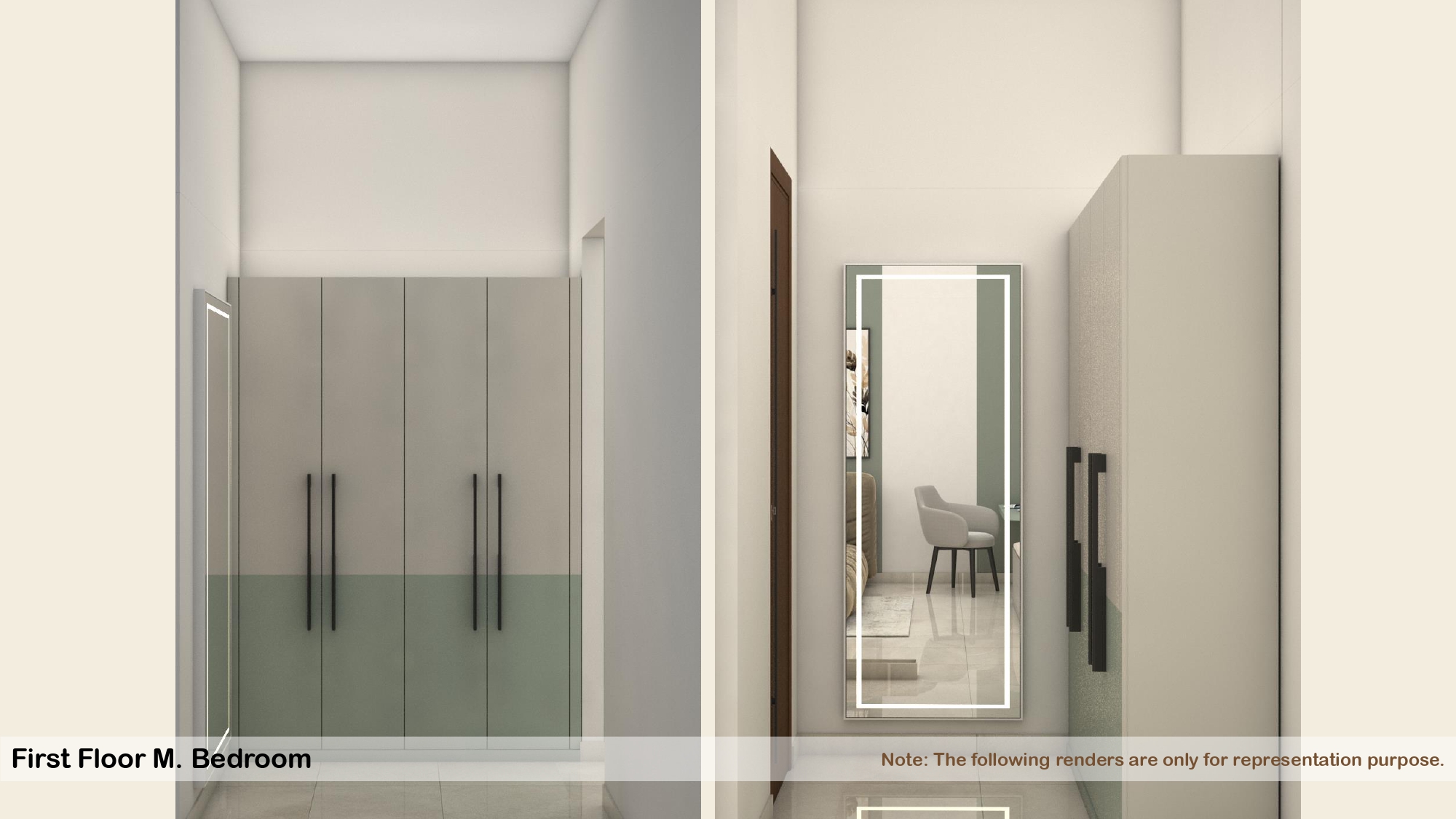
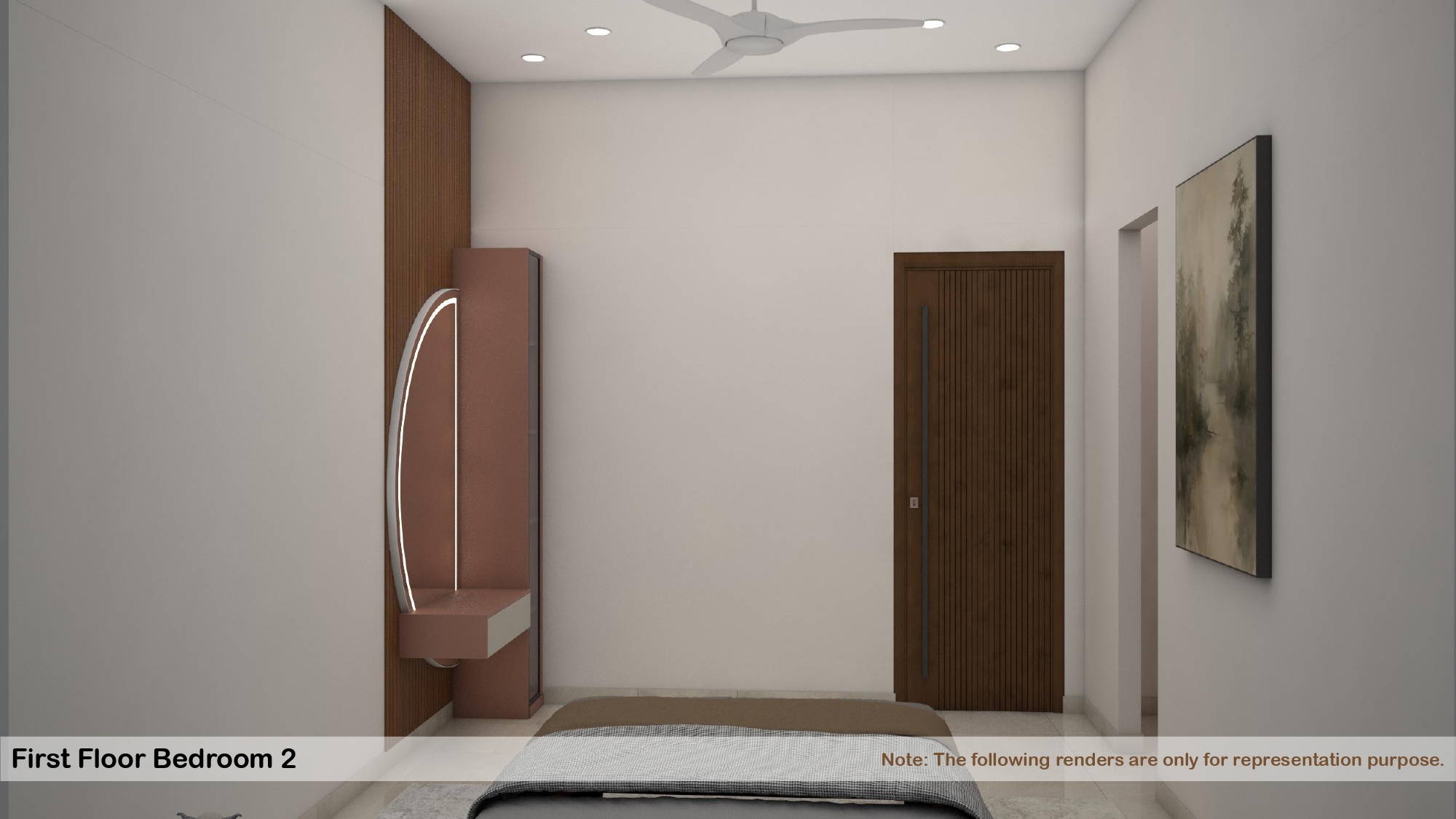
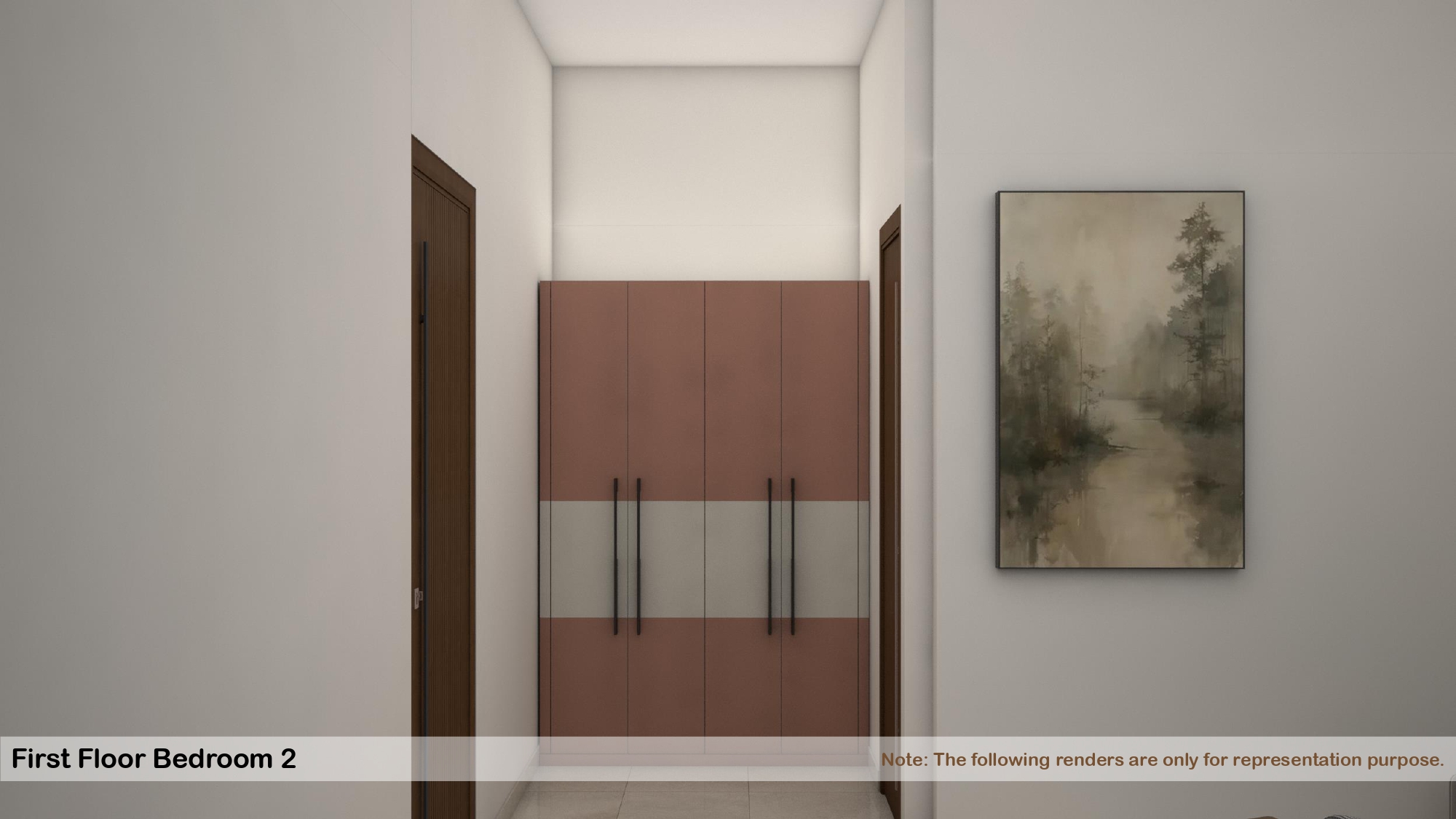
Storage was seamlessly integrated into walls. Furniture was curated, not crowded. Ceiling designs were kept subtle to maintain height and openness. The idea was simple — let the space breathe.
Minimalism here was not about emptiness; it was about intentional living.
Intelligent Zoning for Functional Living
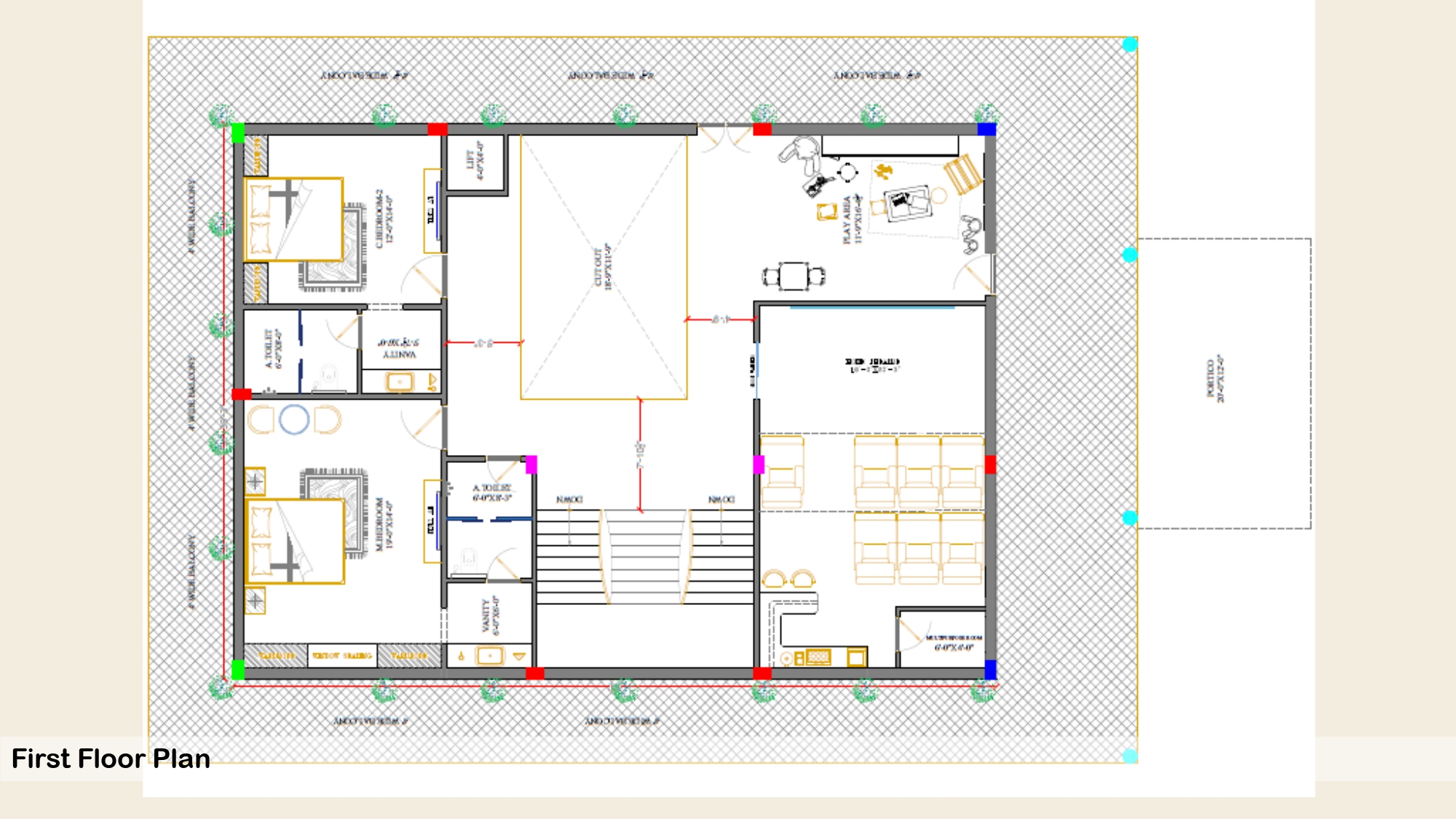
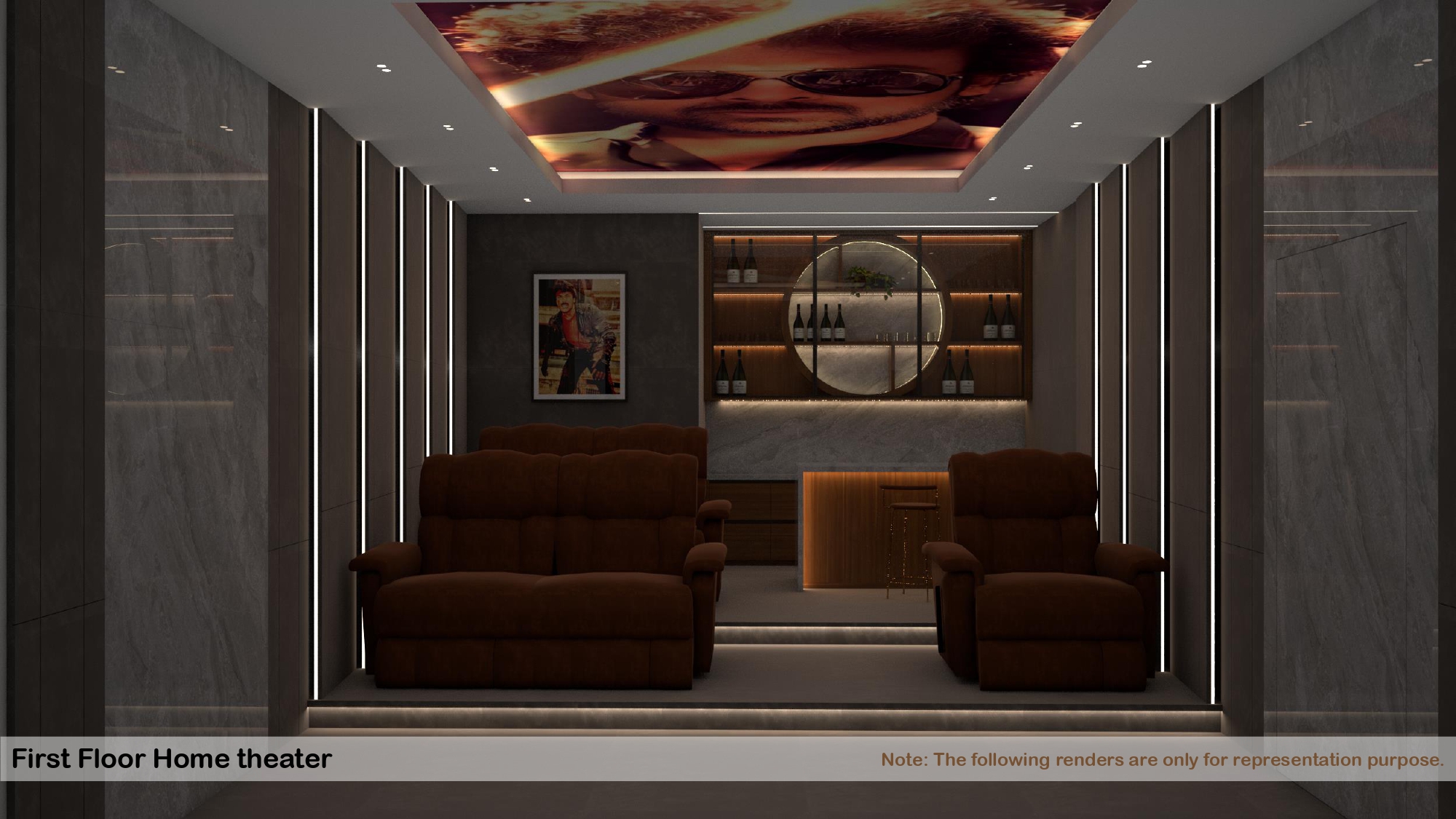
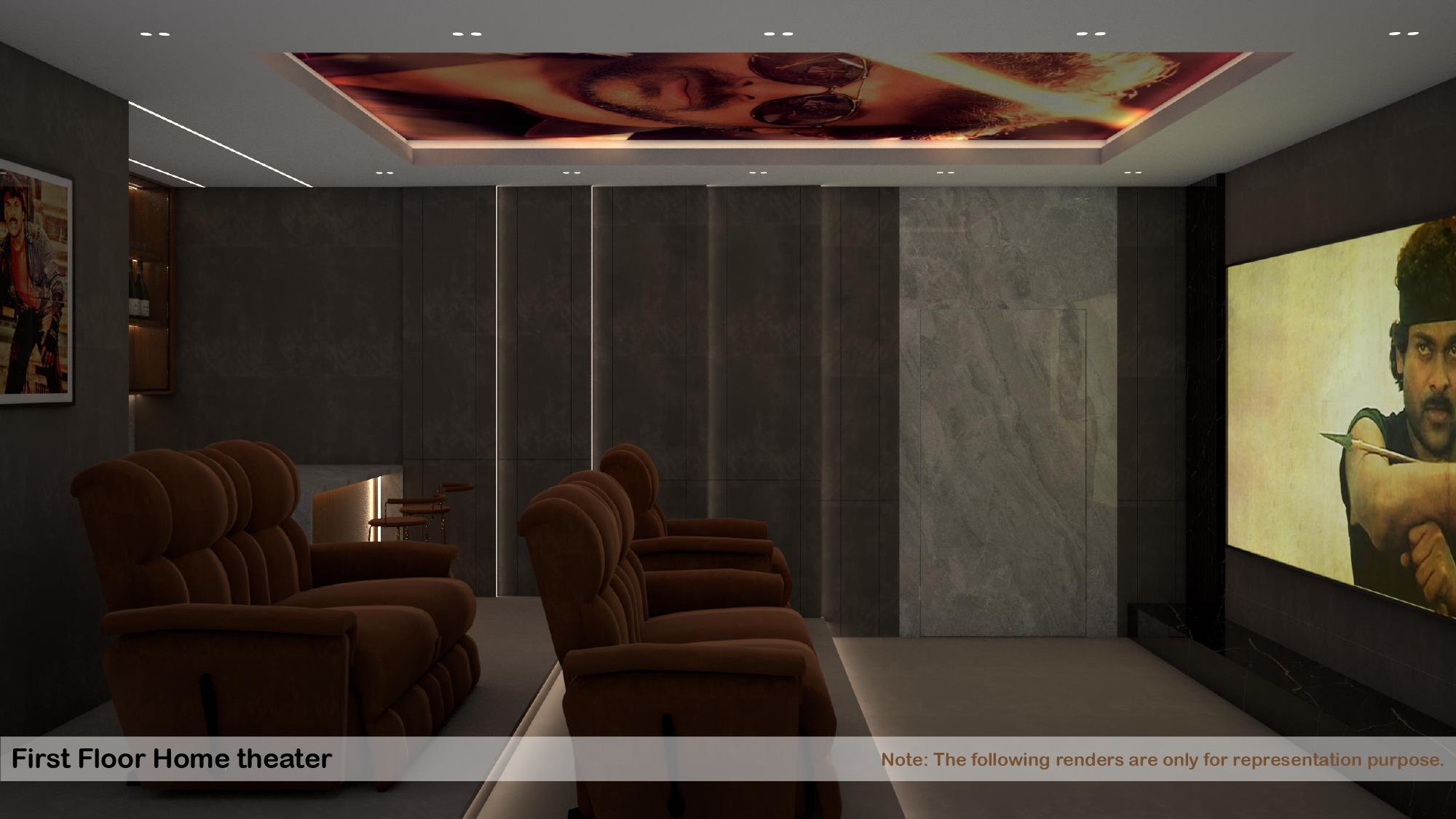
A farmhouse needs distinct functional zones — entertainment, relaxation, private retreats, and service areas — without losing the sense of openness.
We structured the layout into clear zones:
Social Zone – A spacious living and dining area that flows outward toward the landscape.
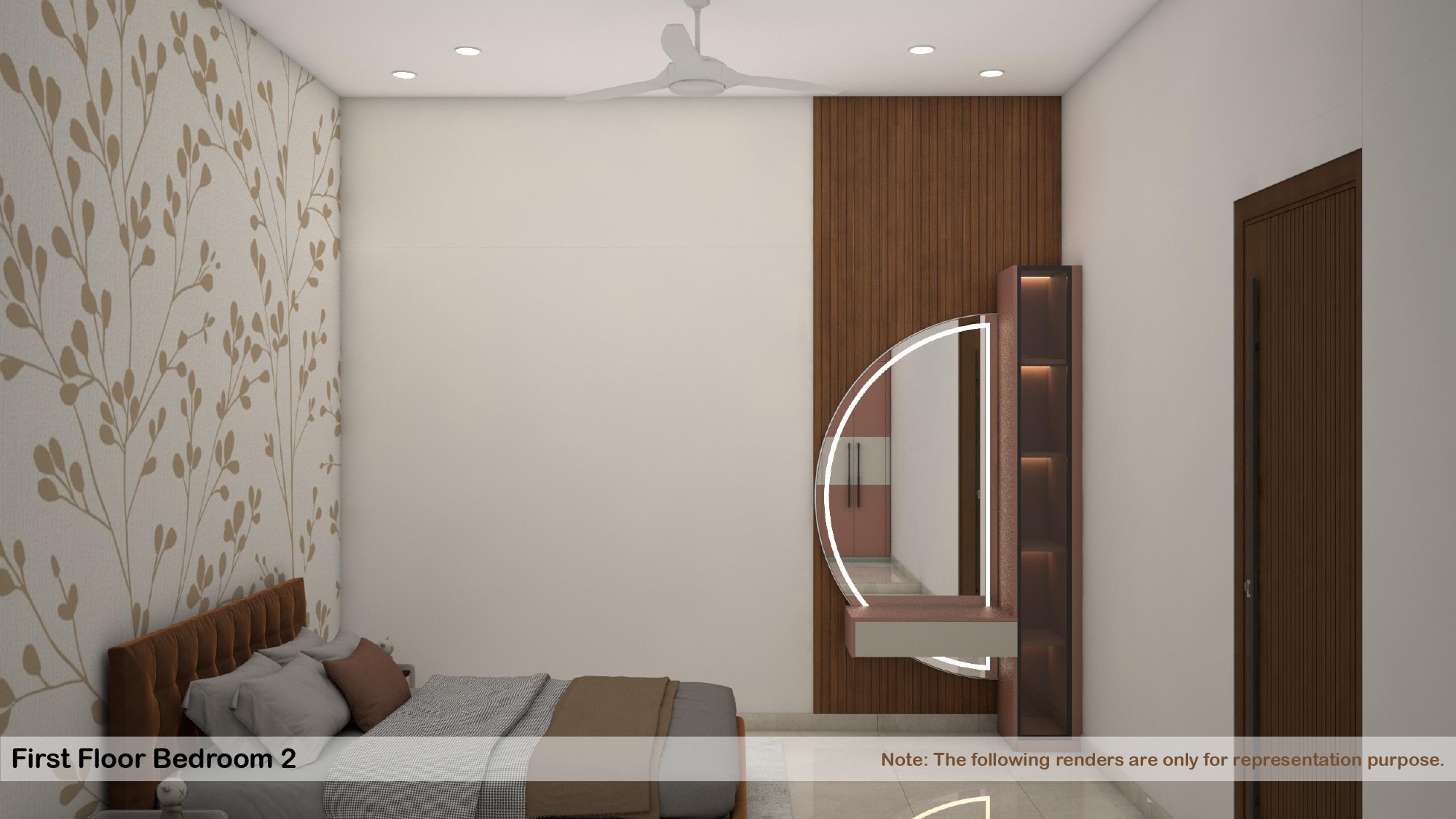
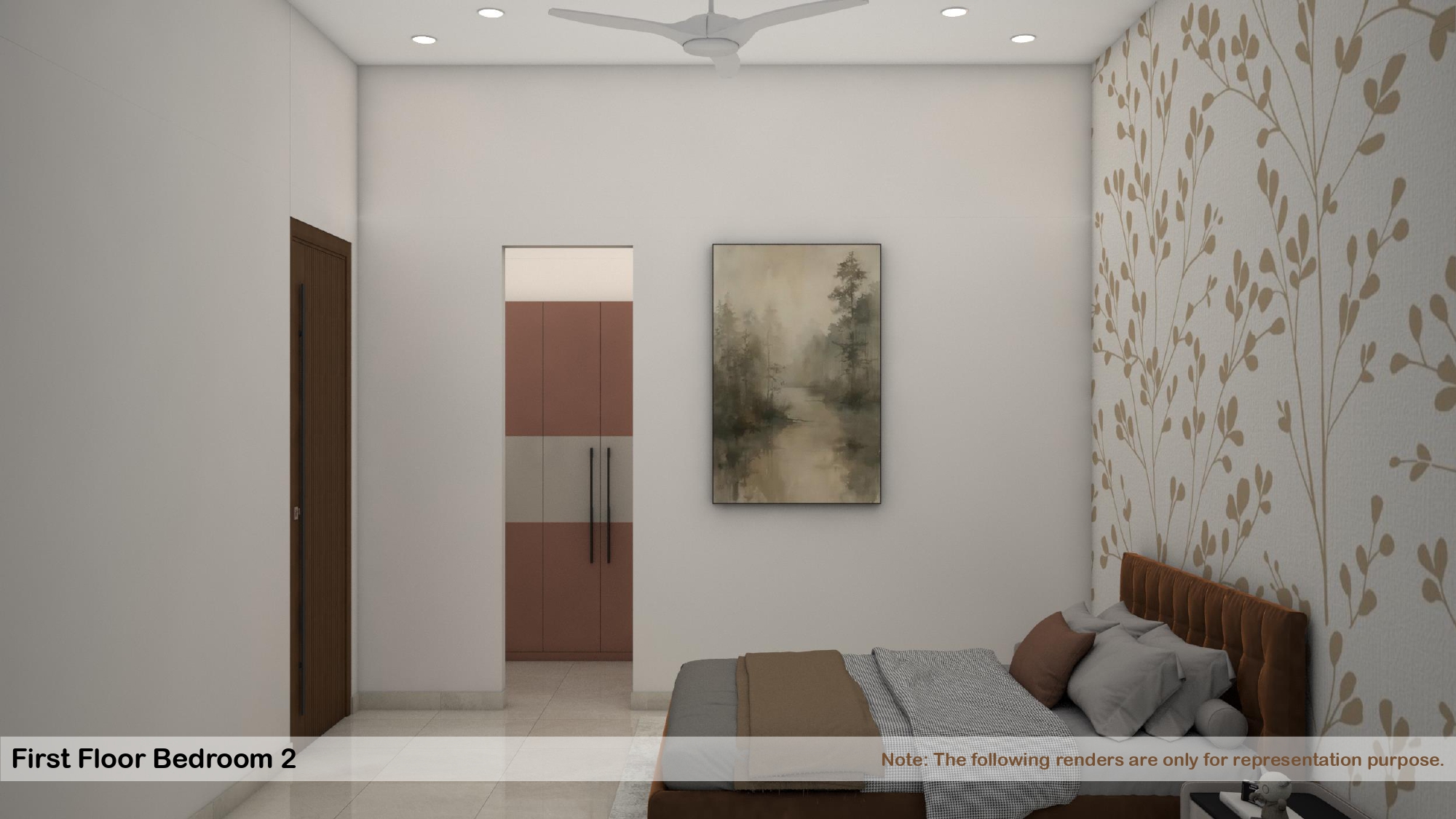
Private Zone – Bedrooms positioned for privacy and calm.
Utility & Service Zone – Efficiently planned to remain accessible yet discreet.
Transitional Spaces – Passages and sit-outs that connect indoors with outdoors.
This structured zoning ensured smooth movement while maintaining a sense of hierarchy within the home.
Earth, Pastels & Subtle Warmth
To reinforce the farmhouse character, we selected a palette inspired by nature:
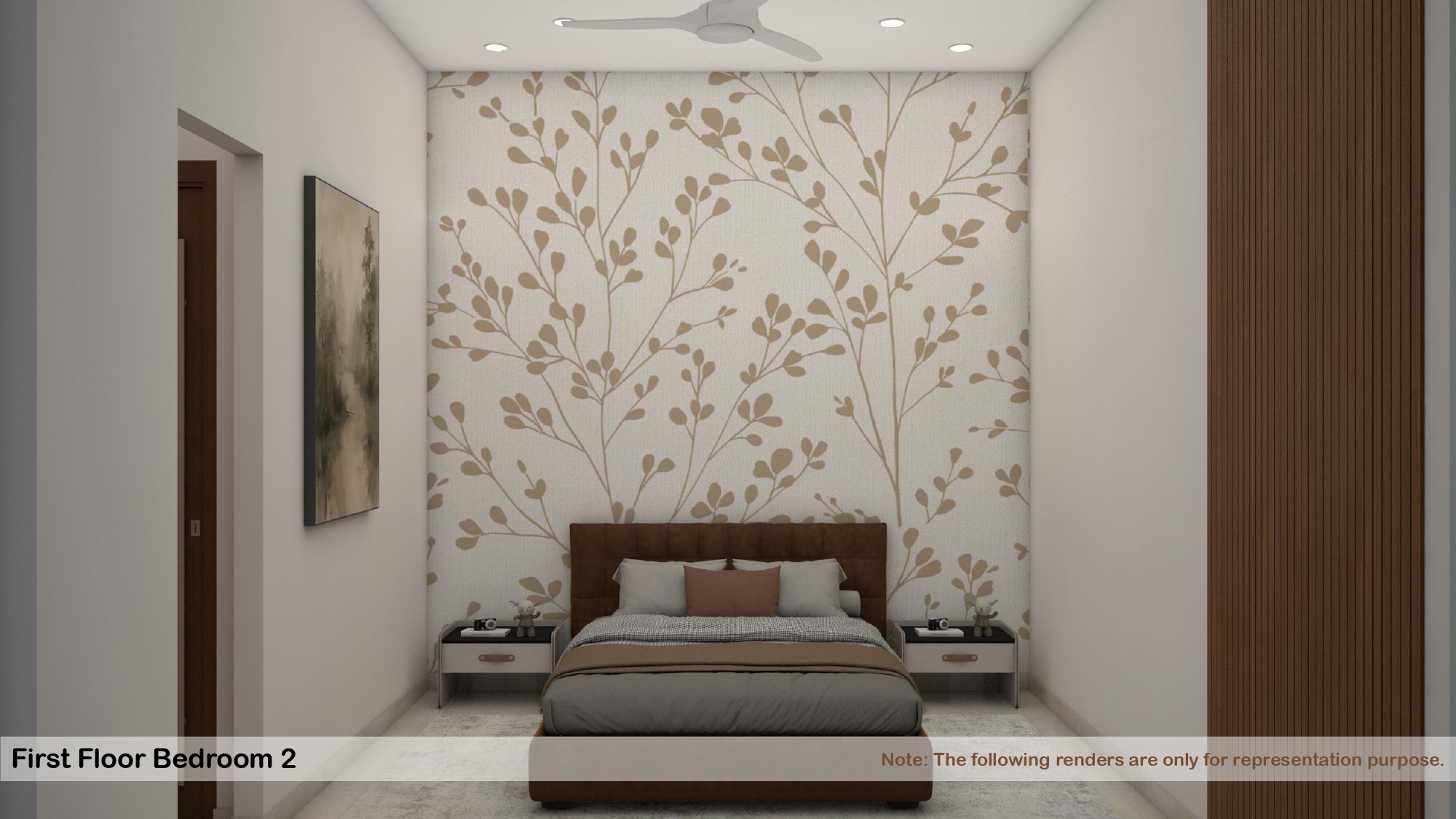
Soft pastel tones for walls to reflect daylight gently.
Earthy browns and muted greens in furniture and finishes.
Natural textures like wood, stone-inspired surfaces, and woven fabrics.
The colors were intentionally understated — allowing the changing daylight and surrounding greenery to become the highlight.
The Final Outcome
Today, the farmhouse stands as a calm architectural statement near Hyderabad West — simple, grounded, and deeply connected to its environment.
It is not a loud design.
It is not a heavily decorated interior.
It is a thoughtfully structured, cost-optimized, biophilic farmhouse where space, light, and nature coexist effortlessly.
And sometimes, that quiet harmony is the most powerful design of all.