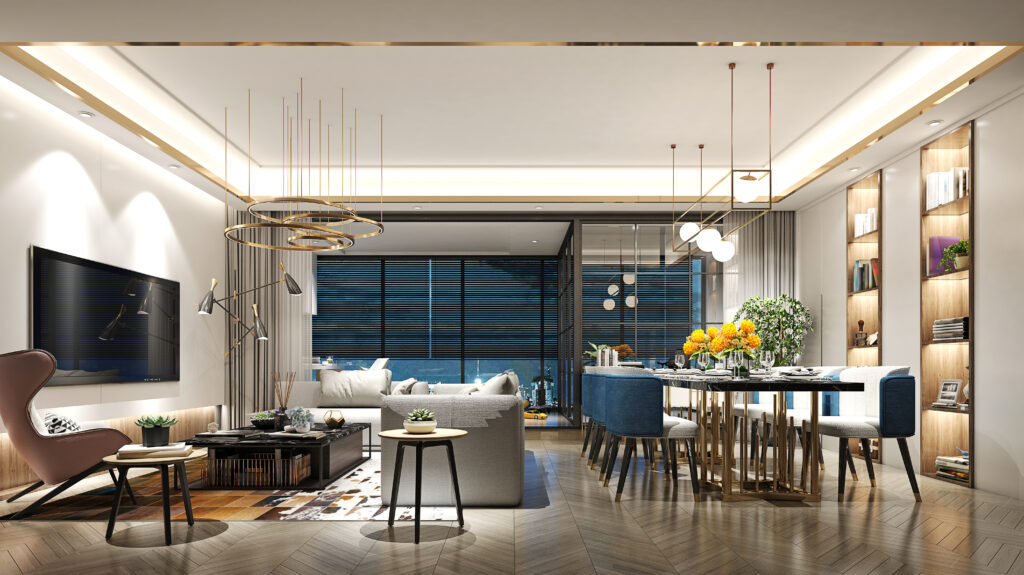
Hyderabad’s luxury homes are evolving. In 2026, design is no longer about display — it is about identity, restraint, and intelligent living.
From Gachibowli penthouses to expansive villas in Kokapet, affluent homeowners are demanding spaces that feel curated, future-ready, and deeply personal.
Here are the defining luxury interior design trends shaping Hyderabad in 2026.
Warm Minimalism with Rich Material Depth
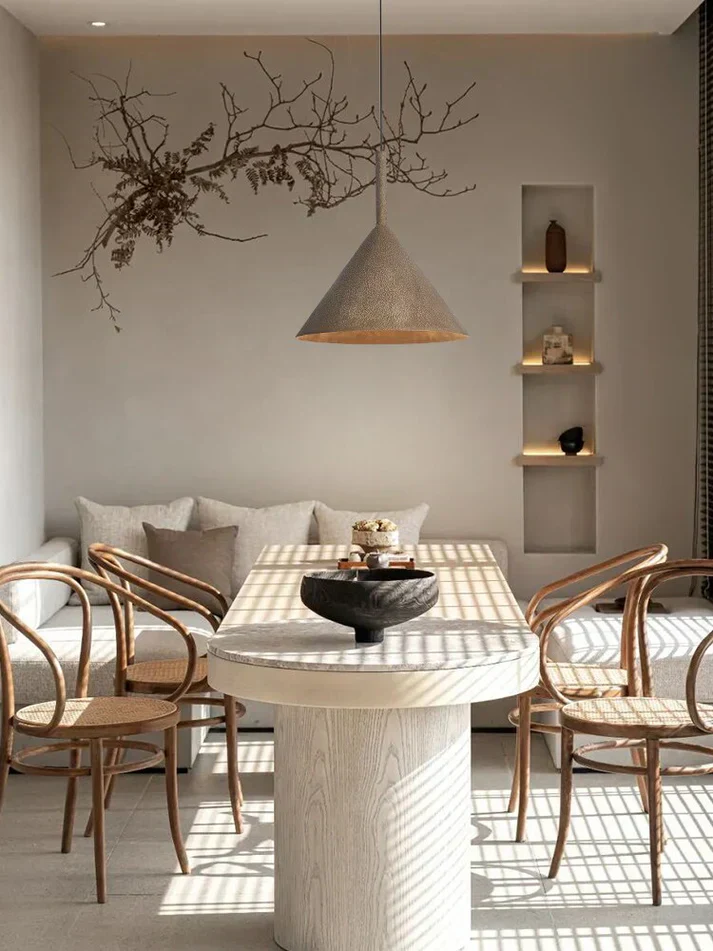
Minimalism in 2026 is softer and warmer. The all-white era is fading.
Instead, we’re seeing:
- Beige, sand, taupe, and muted earth palettes
- Fluted wood panels and textured walls
- Statement marble with subtle veining
- Curved sofas and organic silhouettes
Luxury now comes from layering textures — not overdecorating. The look is clean, but never cold.
Hyderabad Context:
With high-rise apartments dominating Financial District and HITEC City, warm minimalism makes compact spaces feel expansive yet intimate.
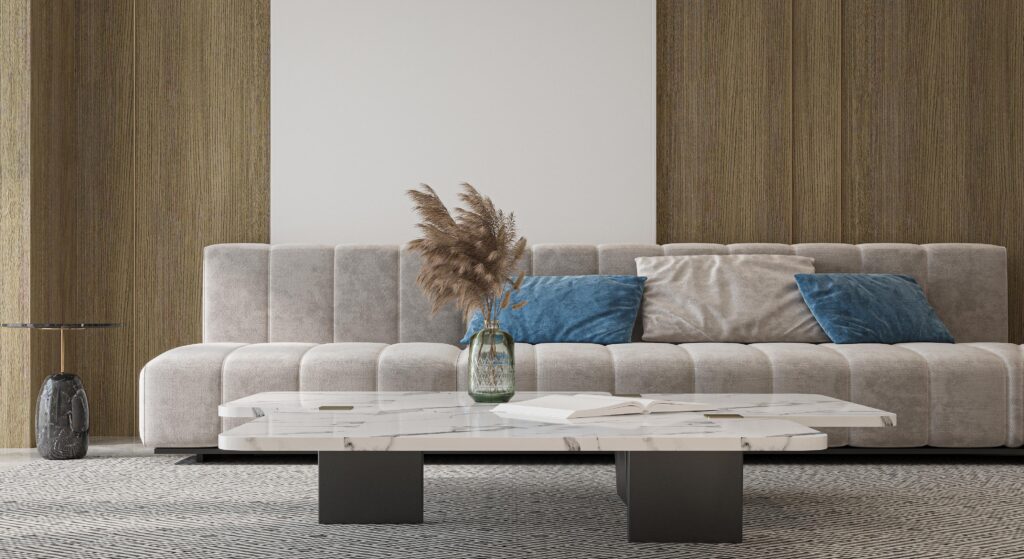
Warm minimalism focuses on simplicity with soul. Instead of filling a space with objects, it builds character through:
- Natural materials that age beautifully
- Soft, diffused light
- Muted, earthy palettes
- Purposeful negative space
- A few sculptural, high‑quality pieces
The result is a home that feels calm, grounded, and quietly luxurious
Material Depth: The Core of This Style
Material depth is what separates warm minimalism from basic minimalism. It’s about layering tactile richness without visual clutter.
🌿 Natural Materials
- Wood — walnut, oak, ash, teak; matte or open‑grain finishes
- Stone — travertine, limestone, soapstone, textured marble
- Clay & Plaster — limewash, microcement, hand‑troweled finishes
- Textiles — linen, boucle, wool, cotton blends
These materials introduce warmth, irregularity, and organic movement, which soften the minimal aesthetic.
Warm Metals & Accents
- Brushed brass
- Aged bronze
- Blackened steel
- Antique gold
Used sparingly, they add a subtle glow and elevate the space.
Tactile Surfaces
- Fluted wood panels
- Ribbed stone
- Woven cane
- Handcrafted ceramics
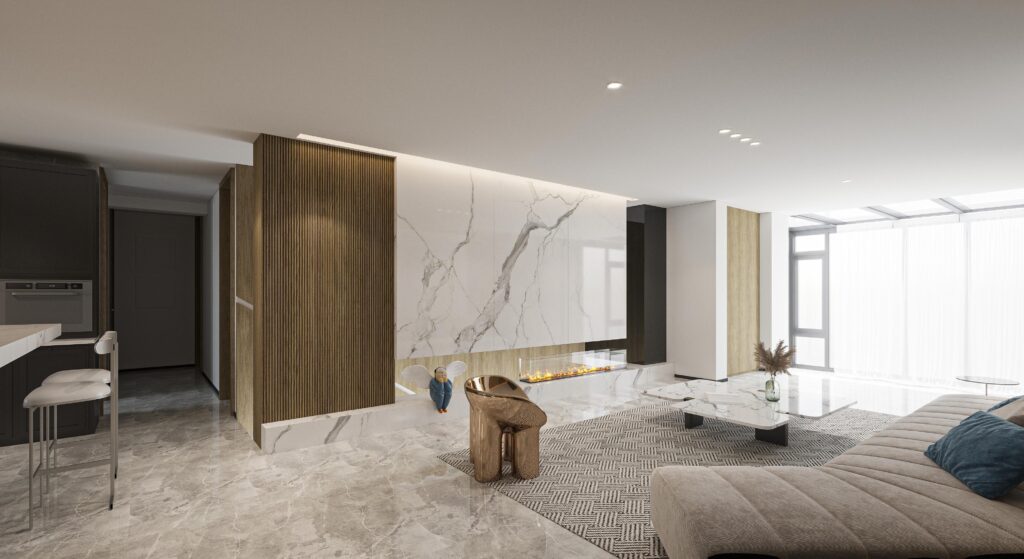
These create depth without adding visual noise.
How Warm Minimalism Shapes Each Space
Living Room
- Low, clean-lined sofas in textured fabrics
- A single sculptural coffee table in stone or wood
- Layered rugs (jute + wool) for grounding
- Soft, indirect lighting instead of overhead glare
Bedroom
- Upholstered or wooden headboards with natural grain
- Neutral bedding with layered textures
- Floating nightstands to maintain visual lightness
- Minimal decor: one artwork, one plant, one statement lamp
Kitchen
- Flat-panel cabinetry in warm wood tones
- Stone countertops with honed or leathered finish
- Open shelves with curated, functional pieces
- Warm LED strips under cabinets for ambient glow
Bathroom
- Microcement or stone walls
- Wooden vanities with matte finishes
- Soft, diffused lighting around mirrors
- Minimal hardware in warm metals
Color Palette That Defines Warm Minimalism
- Warm whites (ivory, cream, chalk)
- Earthy neutrals (taupe, sand, mushroom, beige)
- Soft browns (caramel, mocha, walnut)
- Muted greens (sage, olive)
- Charcoal accents for grounding
The palette is intentionally quiet, allowing materials to speak.
Why This Style Works So Well Today
Warm minimalism responds to modern needs:
- People want calm, restorative spaces
- Homes double as workspaces, so clarity matters
- Natural materials create a sense of well-being
- Minimal clutter reduces cognitive load
- It feels premium without being flashy
It’s minimalism that feels lived-in, not museum-like.